Irritation rarely announces itself as sin. More often, it presents itself as justification. I feel slighted, misunderstood, or pressured, and my spirit tightens almost instinctively. For a long time, I treated irritation as a circumstantial problem—something caused by stress, fatigue, or difficult people. But Scripture has taught me that irritation is often a revealer of the heart. “Out of the abundance of the heart the mouth speaks” (Matt. 12:34). What surfaces in reaction exposes what resides in trust.
The Bible calls believers to honest self-knowledge, not as an exercise in self-esteem but in humility before God. David prayed, “Search me, O God, and know my heart! Try me and know my thoughts!” (Ps. 139:23). When I ask God to examine me honestly, irritation frequently exposes insecurity—fear of being overlooked, fear of losing control, fear that my worth is fragile and must be defended. Scripture names this clearly: “The fear of man lays a snare” (Prov. 29:25). My irritation is often less about others and more about what I am afraid to lose.
Self-knowledge must then lead to confession. Scripture never treats confession as optional for the believer. “If we say we have no sin, we deceive ourselves” (1 John 1:8). When irritation turns into inward resentment, defensive pride, or loveless speech, it is not merely weakness—it is sin. Confession is agreeing with God about what He already sees. And yet, Scripture pairs confession immediately with hope: “If we confess our sins, he is faithful and just to forgive us our sins and to cleanse us from all unrighteousness” (1 John 1:9). Repentance is not self-punishment; it is a return to grace.
Still, God does not only forgive irritation—He uses it. Scripture teaches that trials are purposeful instruments in the hands of a wise Father. “For the Lord disciplines the one he loves” (Heb. 12:6). Irritation becomes a form of discipline when it reveals misplaced trust. James tells believers to “count it all joy… when you meet trials of various kinds” because God uses them to produce endurance and maturity (James 1:2–4). That joy is not emotional delight but settled confidence in God’s refining work.
This is where praise enters—not after the trial, but within it. Scripture repeatedly calls God’s people to praise Him even when circumstances remain unresolved. “Give thanks in all circumstances; for this is the will of God in Christ Jesus for you” (1 Thess. 5:18). Praise does not deny irritation; it reorients it. It declares that God’s purposes are deeper than my comfort and His grace stronger than my insecurity.
In time, I have come to see irritation as a teacher. It reveals where my confidence has drifted from Christ to self. It reminds me that sanctification is ongoing and that God is patient with my slowness. “He who began a good work in you will bring it to completion” (Phil. 1:6). Even uncomfortable exposure is evidence of His faithfulness.
Knowing myself truthfully, confessing sin humbly, and praising God deliberately has reshaped how I view irritation. It is no longer merely an obstacle to peace, but a summons to deeper dependence. And in that summons, I find not condemnation—but mercy.
There are seasons in the Christian life when the soul grows tired in ways that are difficult to describe. I find myself reflecting on the years of my childhood — a time when faith seemed simpler, lighter, and almost instinctive. Though hardship and trauma were present, I moved through those days with a kind of quiet endurance. Suffering was real, yet I did not fully grasp its depth. But adulthood has a way of awakening the mind to realities that once lay dormant. Pain that was once passively endured now feels sharply personal. The accumulation of wounds, struggles, and sins presses inward, and the awareness of them can create a profound sense of helplessness.
In such moments, the believer is often tempted to ask God for relief — not necessarily rebellion, but reprieve. Like Job, we may long for God to “look away” for just a moment so that we might gather strength (Job 10:20). Like David, we may plead for space to breathe before our brief life passes us by (Psalm 39:13). These are not the prayers of pagans but the cries of saints who are honest enough to admit their frailty.
Yet Scripture gently redirects our perspective. The God who once led Israel through the long and barren wilderness could have chosen a shorter path, but He did not. He knew that an easier road might lead His people to discouragement and retreat. What felt like delay was actually mercy; what seemed harsh was, in truth, protective love.
So we must ask a difficult but necessary question: What if the pressure we feel is not evidence that God has forgotten us, but proof that He is strengthening us?
The Illusion of Easier Days
When many of us look back on childhood, it is tempting to remember it as a season of relative ease. Responsibilities were fewer, faith often felt uncomplicated, and the future stretched before us with quiet promise. Even for those who endured genuine hardship, there was often a resilience born from limited understanding. We experienced pain, but we did not always possess the emotional vocabulary to interpret it fully. In some ways, ignorance acted as a kind of shelter.
Adulthood removes that shelter. With maturity comes awareness — awareness of our wounds, our patterns, our sins, and the long shadows they cast over our lives. The struggles that accumulated over the years may now appear heavier not necessarily because they have grown, but because we finally see them clearly. Addictions that once seemed manageable reveal their chains. Old traumas resurface with sharper definition. We recognize our desire for change, yet often feel powerless to produce it. This tension can make the present feel far more burdensome than the past ever did.
But here lies an important spiritual paradox: what feels like increased weakness may actually be the beginning of deeper strength. Scripture consistently reminds us that God does His most profound work in those who know they cannot sustain themselves. Self-sufficiency dulls our need for Him, but acknowledged helplessness drives us toward divine dependence.
Perhaps childhood did not represent easier days after all — only less understood ones. And perhaps this growing awareness, uncomfortable as it is, is not meant to crush us but to lead us gently into the strong arms of the One who sustains His weary children.
When Trauma Feels Heavier With Age
One of the quiet surprises of adulthood is discovering that pain does not always remain in the past. Instead, it often follows us forward, waiting for the moment when maturity gives us the capacity to recognize it. As children, we survive many experiences simply because we must. We adapt, we compartmentalize, and we keep moving. But with age comes greater emotional awareness, and what was once buried can rise to the surface with startling clarity.
This is why trauma can feel heavier now than it ever did before. We begin to understand how certain wounds shaped our fears, influenced our choices, or contributed to destructive patterns. We see connections that once escaped us. There is also the sobering realization that time does not automatically heal every injury. Some battles must be faced intentionally, and that recognition alone can feel overwhelming.
Yet believers must be careful not to mistake intensified struggle for spiritual failure. Greater awareness is not evidence that God has abandoned you; often, it is evidence that He is bringing hidden things into the light so that true healing may begin. The Lord does not expose wounds to shame His children but to restore them.
The apostle Paul reminds us that God’s power is made perfect in weakness. This runs counter to every instinct we possess. We want strength first and dependence later, but God frequently reverses that order. He allows us to feel our limitations so that we will lean more fully upon His sufficiency.
Feeling helpless can be frightening, but it is not a sign that your faith is collapsing. It may be the very place where deeper trust is born.
Learning to Think Toward Scripture
In seasons of deep emotional strain, the direction of our thoughts becomes critically important. The human mind rarely remains neutral; it either drifts toward despair or is deliberately anchored in truth. For the believer, one of the most life-giving disciplines is learning to think toward Scripture — to turn the heart Godward even when every feeling urges retreat.
This does not mean pretending that suffering is insignificant, nor does it require suppressing honest emotion. Biblical meditation is not denial; it is alignment. It is the conscious act of placing our turbulent thoughts beneath the steady authority of God’s Word. When the soul begins to spiral into helplessness, Scripture interrupts the descent by reminding us who God is — sovereign, wise, attentive, and unfailingly good.
Throughout church history, mature believers have understood that what we rehearse in our minds shapes the condition of our hearts. Left unattended, our thoughts often magnify our pain until it feels ultimate. But when Scripture is brought into view, suffering is reframed. It is no longer random or meaningless; it becomes part of the mysterious but purposeful work of God in conforming His children to the image of Christ.
This is why spiritual reflex matters. Just as the body instinctively reaches out to break a fall, the trained soul learns to reach for God’s promises in moments of distress. Such reflexes are not formed overnight; they are cultivated through daily exposure to the Word.
When we discipline our minds to run toward Scripture rather than away from it, we discover that God has already spoken into the very places where we feel most fragile.
The Wilderness Was Not a Detour
When we read the account of Israel’s journey after their deliverance from Egypt, one detail often escapes quick notice: God intentionally did not lead them by the shortest route. Though a direct path to the Promised Land existed, the Lord guided His people into the wilderness instead. From a purely human perspective, this appears inefficient, even unnecessarily harsh. Why prolong the journey when relief was within reach?
Scripture provides the answer — God knew that if the Israelites faced immediate opposition, their discouragement might drive them back into the very bondage from which they had been rescued. The longer road was not poor navigation; it was wise shepherding. What seemed like delay was actually divine protection.
The same pattern often emerges in the believer’s life. There are seasons when we quietly wonder why God has not shortened our hardship. We see what looks like a clear exit, yet He continues to lead us through terrain that feels barren and exhausting. In those moments, we must remember that God sees dangers we cannot. He understands the fragility of our faith far better than we do.
The wilderness, then, is not evidence that God has lost His way — it is evidence that He is carefully directing ours. Hard paths frequently prepare us for battles we are not yet strong enough to fight. Without that preparation, an easier road might ultimately destroy us.
What if the very season you are tempted to call a detour is actually God’s appointed training ground? The journey may be longer than you desire, but it is never longer than His wisdom allows.
The Sinful Desire to Escape
There are moments in every believer’s life when the weight of suffering produces a quiet but persistent desire: I just want out. Not necessarily out of faith, but out of pain. We long for relief, for space to breathe, for some easing of the pressure that seems to bear down without interruption. If we are honest, we do not merely ask for strength to endure — we ask for the trial itself to be removed.
Scripture shows us that we are not alone in these feelings. Job, crushed beneath unimaginable loss, pleaded for God to grant him a brief reprieve. David likewise cried out for the Lord to “look away” so that he might recover strength before his life slipped away. These were not faithless men shaking their fists at heaven; they were saints bringing their anguish directly to God. Their prayers remind us that lament is not sin. God invites the brokenhearted to speak plainly before Him.
Yet there is a subtle boundary we must guard. Faith-filled lament says, “Lord, this is too heavy for me — help me endure.” Faithless insistence says, “Lord, this is too heavy, and I demand another way.” One posture bows beneath God’s authority; the other attempts to replace it.
The desire to escape becomes sinful when relief matters more to us than trust, when comfort becomes a higher priority than conformity to Christ. But when our cries drive us toward God rather than away from Him, even our exhaustion becomes an act of worship.
God is not threatened by your honesty. He is shaping your heart to trust Him — not only when He gives relief, but when He chooses sustaining grace instead.
“Let Me Come Up for Air” — The Language of Exhaustion
There is a particular kind of weariness that settles not only into the body but deep within the soul. It is the exhaustion that comes from prolonged strain — when hardships do not lift, prayers seem to echo, and endurance begins to feel less like courage and more like survival. In such moments, the heart forms a simple plea: Lord, just let me come up for air.
Many believers experience this but hesitate to voice it, fearing that such honesty might signal weak faith. Yet Scripture gives us permission to speak this way. The prayers of God’s people are filled with the language of spiritual fatigue. They groan, they question, they plead for relief — not because their faith has failed, but because their faith is still reaching upward even while their strength feels nearly spent.
We must remember that God does not require polished prayers. He welcomes the gasping cry just as surely as the composed petition. The Father is neither irritated by your frailty nor surprised by your limits. He knows our frame; He remembers that we are dust.
However, there is an important distinction to maintain: spiritual exhaustion is not the same as despair. Exhaustion says, “I am struggling, but I am still looking to God.” Despair says, “There is no hope, so why look at all?” One leans weakly upon the Lord; the other turns away from Him.
If you find yourself barely treading water, take heart — your Savior is not watching from a distant shore. He draws near to sustain you, ensuring that even when you feel you cannot continue, His strength will quietly uphold you.
The Father’s Loving Severity
One of the more difficult truths for the Christian to embrace is that God’s love does not always feel gentle. There are seasons when His care comes to us clothed in hardship, when His fatherly hand leads us through circumstances we would never choose for ourselves. Yet Scripture repeatedly affirms a reality we are slow to believe: the Lord disciplines those He loves. His severity is never cruel — it is purposeful.
Human instinct often interprets difficulty as distance. We assume that if God truly loved us, He would remove the strain and smooth the path. But a loving father is not primarily concerned with his child’s immediate comfort; he is committed to that child’s maturity, stability, and future strength. In the same way, God refuses to build shallow believers whose faith collapses at the first sign of adversity.
Hard seasons, then, are not evidence of rejection but of belonging. The absence of God’s discipline would be far more troubling, suggesting neglect rather than care. Through pressure, He strengthens spiritual muscles we did not know we possessed. Through endurance, He produces a steadiness that cannot be manufactured in easier days.
It is also worth remembering that God is never hard without also being near. His discipline is not the cold correction of a distant ruler but the attentive guidance of a present Father. He measures every trial with perfect wisdom, allowing nothing that will ultimately destroy His children.
What feels like severity is often mercy in disguise. God is not hardening your heart — He is fortifying it, shaping within you a faith that will remain unshaken long after the storm has passed.
Strengthened to Become “Bold as a Lion”
Prolonged trials have a way of accomplishing what comfort never could — they form courage within the believer. Though we naturally pray for easier roads, God often uses resistance to produce spiritual backbone. Over time, what once intimidated us begins to lose its power, not because the hardships themselves shrink, but because God quietly enlarges our capacity to endure them.
Scripture frequently connects righteousness with unusual boldness. This is not the loud confidence of personality or natural temperament, but a settled fearlessness rooted in trust. The believer who has walked through affliction and discovered God’s sustaining presence learns a profound lesson: if the Lord has upheld me here, He will uphold me anywhere. Such assurance cannot be taught in theory; it must be forged in experience.
Consider how endurance reshapes the soul. Trials strip away illusions of self-sufficiency and drive us toward deeper reliance upon God. They refine our priorities, loosen our grip on temporary things, and anchor our hope more firmly in what is eternal. What emerges is not mere survival, but resilience — a steady heart that does not panic when new storms gather.
Often, the very wounds we wish had never occurred become the places from which future ministry flows. God comforts us in our troubles so that we may one day extend that same comfort to others. Your present suffering may be preparing you to speak with credibility into someone else’s darkness.
Take courage: God is not merely bringing you through hardship — He is shaping you into someone who can stand within it, bold as a lion, because your confidence rests in Him.
Rejoicing Before Relief Comes
One of the most distinctive marks of Christian maturity is learning to rejoice even when circumstances remain unchanged. This kind of joy is not rooted in denial, nor is it the forced optimism that pretends everything is fine. Rather, it is a steady confidence in the character of God — a settled assurance that He is wise, present, and working, even when relief has not yet arrived.
Our natural inclination is to postpone joy. We tell ourselves, I will rejoice when this season ends… when the prayer is answered… when the burden lifts. But Scripture gently calls us to something higher. It invites us to rejoice in God Himself, not merely in the outcomes we desire. When joy is tied only to improved conditions, it becomes fragile. But when it is anchored in the unchanging nature of the Lord, it grows resilient enough to withstand prolonged hardship.
This does not mean the believer ignores sorrow. Christian joy has always made room for tears. In fact, some of the deepest joy is born in the very soil of suffering, where we discover that God is enough even when lesser comforts are withheld. Over time, this realization transforms the heart. We begin to see that God is not only preparing future glory for us — He is shaping us for it now.
Relief, when it comes, is a sweet gift. Yet transformation is far sweeter. For what greater blessing could there be than to emerge from affliction knowing Christ more deeply, trusting Him more fully, and resting more securely in His love?
Delay Is Not Denial
When suffering lingers, the human heart is prone to draw painful conclusions. We may quietly wonder if God has overlooked us, forgotten our prayers, or chosen silence where we desperately long for intervention. Time itself can become a trial, stretching our patience until hope feels thin. Yet the gospel repeatedly reminds us of a truth we must fight to remember: delay is not the same as denial.
God operates according to a wisdom far higher than our immediate understanding. What appears slow to us is never accidental. Every season is measured, every trial weighed, every moment governed by the careful providence of a Father who does not waste the lives of His children. Your years are not slipping through His fingers; they are being shaped by them.
It is especially tempting to grow anxious when we become aware of life’s brevity. We look at the calendar, consider the passing of youth, and feel an urgency for resolution. But Scripture redirects our gaze from the length of our days to the faithfulness of our God. He is far more committed to your eternal good than to your temporary ease.
One day, with the clarity that only eternity provides, you will see that what felt unbearable was never meaningless. The prayers you thought unheard were guiding you into deeper trust. The pressures you feared might break you were, in fact, strengthening your soul.
So do not interpret God’s silence as indifference, nor His timing as neglect. The same Father who leads you into difficult seasons walks beside you within them — sustaining, refining, and preparing you for a glory that far outweighs the present moment.
Held Fast by the Faithfulness of God
If you find yourself today walking through a season that feels longer than you ever expected, take heart — you are not wandering aimlessly, nor are you suffering unseen. The same God who numbers the hairs on your head is also numbering your steps through this wilderness. Nothing about your pain is accidental, and none of your tears fall without His notice.
It is important to remember that God’s love is not proven by the absence of hardship but by His steadfast presence within it. The cross itself forever silences the suspicion that God might be indifferent to our suffering. In Christ, we see a Savior acquainted with grief, One who entered fully into human sorrow so that we would never have to endure ours alone. Because of Him, your trials are not instruments of destruction but tools of refinement in the hands of a perfectly wise Father.
So do not lose heart, even when your strength feels thin. The faith that trembles is still faith if it continues to reach for God. The prayers that feel weak are still heard by a strong Savior. And the road that seems delayed is still leading exactly where His goodness intends.
One day, you will look back and see that the very seasons you pleaded to escape were the ones God used to deepen your trust, steady your heart, and anchor your hope in what cannot be shaken. Until that day comes, rest in this quiet assurance: you are being carried even when it feels like you are barely standing.
Hold fast, then — not merely to your faith, but to the God who is faithfully holding you.
We live in an age where many Christian men are rediscovering the language of strength, leadership, and authority. In a culture often marked by moral confusion and spiritual apathy, this renewed desire is not inherently wrong. Scripture itself calls men to courage, conviction, and faithful stewardship. Yet history — both biblical and modern — warns us that when strength is severed from humility, it quickly corrodes into something dangerous.
As I recently read through the book of Esther, one figure stood out with unsettling clarity: Haman. His story is not merely a record of ancient Persian arrogance; it is a mirror held up to every generation. Haman embodies the kind of pride that craves recognition, demands submission, and quietly feeds on the intoxication of power. His downfall reminds us that God has never tolerated the elevation of self above righteousness.
You probably will believe this is written from a posture of superiority. I am deeply aware that the seeds of pride live in every human heart — especially my own. My intention is a pastoral concern: that Christian men would resist the lure of domination and instead pursue the cruciform path of humility modeled by Christ.
A Sobering Cultural Observation
Across America, many men are searching for stability in what feels like an increasingly unstable world. Institutions once trusted now appear fragile, cultural norms shift rapidly, and the moral landscape often seems uncertain. It is therefore unsurprising that some men are drawn toward voices promising clarity, order, and a return to strength. The impulse itself is understandable. God did not design men to drift passively through life, but to lead with courage, protect what is entrusted to them, and cultivate what promotes human flourishing.
Yet there is a subtle danger lurking beneath this renewed emphasis on strength. When leadership is divorced from Christlike humility, it begins to warp. Strength becomes harshness. Conviction becomes arrogance. Authority becomes control. What initially appears as righteous resolve can quietly transform into a hunger for dominance.
The church must be discerning here. Not every call to strength is biblical, and not every display of boldness is born from the Spirit. True spiritual authority is never self-exalting; it is marked by gentleness, patience, and a willingness to serve. The danger is not that men desire leadership — it is that leadership becomes intoxicated with power rather than anchored in love.
Meet Haman: The Anatomy of Godless Pride
Few figures in Scripture illustrate the danger of unchecked pride more vividly than Haman. Elevated to a position of immense influence under Ahasuerus, Haman possessed status, wealth, and public honor — yet none of it satisfied him. Pride is never content; it constantly demands more.
His fury toward Mordecai began with a simple refusal to bow. What might have been dismissed as a minor offense instead exposed the fragility of Haman’s ego. Rather than governing with justice, he weaponized his authority for personal vengeance, manipulating the king and crafting a decree that would annihilate an entire people. Such is the progression of pride: what begins as wounded honor can quickly escalate into destructive ambition.
Haman also reveals how domination often masks insecurity. The man who appears strongest is frequently the most threatened by dissent. Unable to tolerate even one voice that would not revere him, he built the very gallows intended for another — an eerie symbol of how arrogance engineers its own downfall.
Haman’s story is not preserved merely to recount history, but to warn every generation: when the heart exalts itself, collapse is never far behind.
The Modern Temptation: Domination Disguised as Dominion
The tension between dominion and domination is not new, but it feels especially urgent in our moment. From the opening pages of Book of Genesis, humanity is entrusted with dominion — a sacred calling to steward creation, cultivate what is good, and exercise authority under God’s rule. Dominion was never meant to be exploitative; it was designed to reflect the wise and benevolent kingship of the Creator Himself.
Domination, however, is a corruption of that calling. Where dominion nurtures life, domination constricts it. Where dominion protects, dominationintimidates. One operates from security in God; the other is driven by fear and the need to control.
This distinction is critical for Christian men who rightly desire to lead. Leadership shaped more by cultural frustration than by Scripture can slowly drift toward severity. Harsh words become justified as “strength,” impatience masquerades as conviction, and coercion is reframed as decisiveness.
But biblical authority never crushes those under its care. It strengthens them. When exercised rightly, leadership should cause wives, children, churches, and communities to flourish — not shrink back in quiet apprehension. The question every man must wrestle with is this: does my leadership cultivate life, or does it merely consolidate power?
The Household Test: Where False Masculinity Is Exposed
If a man wishes to evaluate the authenticity of his leadership, he need not look further than his own household. Public confidence can be manufactured; spiritual authority at home cannot. Scripture consistently teaches that the proving ground of godly leadership is not the platform, the workplace, or the political arena — it is the quiet, ordinary rhythms of family life. The apostle Paul makes this unmistakably clear in the Epistle to the Ephesians, where husbands are called to love their wives “as Christ loved the church and gave himself up for her.” This is not the language of domination, but of costly, self-forgetting sacrifice.
Likewise, the First Epistle of Peter urges husbands to live with understanding and honor toward their wives as fellow heirs of the grace of life. Authority that disregards tenderness is not biblical authority at all.
False masculinity reveals itself quickly in the home: children obey but feel distant, a wife complies but is not cherished, and peace is maintained through pressure rather than love. Forcefulness replaces gentleness; control substitutes for care.
Godly leadership, by contrast, creates an atmosphere where those entrusted to a man’s care feel secure, valued, and able to flourish under his strength.
The Biblical Antidote: The Humility of Jesus Christ
If pride is the disease, then Christ provides the cure. Nowhere is true strength more clearly defined than in the life of Jesus. Possessing all authority in heaven and on earth, He never leveraged His power for self-exaltation. Instead, He knelt to wash the feet of His disciples, welcomed the overlooked, and spoke life to those crushed beneath the weight of their sin. Divine authority expressed itself through radical humility.
This is the great paradox of the kingdom of God: power is perfected through self-giving love. The cross forever dismantles the illusion that harshness is strength or that intimidation produces righteousness. Jesus could have subdued His enemies with a word, yet He chose the path of sacrificial obedience.
For Christian men, the implication is unavoidable. Leadership must be cruciform — shaped by the cross. It is not enough to be decisive; one must also be gentle. Not enough to command; one must be willing to serve.
The question, then, is not whether a man leads, but whether his leadership resembles the Savior he professes to follow.
Strength Reimagined: What Godly Masculinity Looks Like
In a culture eager to redefine manhood through extremes — either harsh domination or passive indifference — Scripture offers a far more compelling vision. Godly masculinity is neither abrasive nor absent; it is steady, ordered, and life-giving. True strength is not measured by how forcefully a man asserts himself, but by how faithfully he governs his own heart.
A godly man is humble without being timid. His confidence rests not in personal superiority but in submission to God. He is courageous without cruelty, willing to stand for truth while refusing the sinful impulse to wound with his words. His convictions are firm, yet his posture remains approachable. Authority flows from spiritual maturity, not emotional volatility.
This kind of masculinity builds rather than bruises. It creates environments where others can grow safely under its protection. It listens before speaking, disciplines without humiliating, and leads without demanding constant recognition.
Such strength is rare precisely because it requires self-mastery. It is far easier to control others than to crucify pride. Yet the man who learns to rule his spirit becomes a source of stability to everyone around him — a quiet reflection of the ordered strength God intended from the beginning.
A Necessary Self-Examination
Before we are too quick to identify the pride of Haman in others, wisdom calls us to look inward. The human heart has a remarkable ability to condemn publicly what it quietly tolerates privately. Pride rarely announces itself; it often disguises itself as conviction, strong leadership, or even zeal for righteousness. Yet Scripture consistently invites believers into the difficult but liberating work of self-examination.
It is worth asking uncomfortable questions. Do I feel slighted when my efforts go unnoticed? Am I threatened by disagreement, interpreting it as disrespect rather than an opportunity for patience? Do those closest to me experience my leadership as safe and steady, or tense and unpredictable? These are not accusations, but invitations to spiritual honesty.
I write this with a sober awareness of my own susceptibility. Apart from grace, none of us drift naturally toward humility. The instinct to protect our reputation, secure our influence, and defend our preferences runs deep. But the gospel frees us from this exhausting self-preservation.
The most dangerous form of pride is the one we fail to see. Therefore, before confronting the spirit of domination in the culture, we must first surrender every trace of it within ourselves.
The Danger of Power Without Character
Power itself is not the enemy. In fact, all authority ultimately flows from God and is meant to be exercised for His glory and the good of others. The danger emerges when influence outpaces formation — when a man gains the ability to lead before his character has been deeply shaped by obedience. Scripture repeatedly warns that unchecked ambition can distort even sincere faith.
Consider the sober admonition of the First Epistle to Timothy, which cautions against elevating a recent convert to leadership lest he become “puffed up with conceit.” The warning is timeless: spiritual maturity must precede spiritual authority. When it does not, leadership becomes a stage for ego rather than a channel for service.
History inside and outside the church confirms this pattern. When Christianity is treated as a tool for influence rather than a call to holiness, faith becomes performative. Authority subtly transforms into an idol, and people are viewed less as souls to shepherd and more as obstacles or instruments.
Character is what steadies power. Without humility, patience, and self-control, influence will eventually fracture what it was meant to protect. But when authority is anchored in Christlike maturity, it becomes a force that strengthens rather than scatters.
A Pastoral Prayer
When confronting the subtle allure of pride, argument alone is not enough; the heart must be brought low before God. Perhaps the most fitting response is prayer — not merely for others, but for ourselves. For if we are honest, the desire for recognition, control, and influence crouches at the door of every soul.
Lord, deliver us from the quiet intoxication of self-importance. Guard us from confusing loudness with courage or severity with strength. Teach us to kneel before we presume to stand, and to listen before we are eager to speak. Form within us the kind of humility that does not need to announce itself, and the kind of leadership that does not demand to be noticed.
Make us men who tremble at Your Word rather than grasp for authority. Where pride has taken root, uproot it gently but completely. Where ambition has eclipsed love, reorder our desires. Grant that our homes, churches, and communities would be marked not by fear, but by the steady warmth of Christlike care.
And should You entrust us with influence, let it never outrun our devotion — so that everything we lead might ultimately point back to You.
Choose Your Example
The contrast before us is as ancient as Scripture and as present as this very moment. On one side stands Haman, a man who grasped relentlessly for honor, demanded reverence, and mistook proximity to power for personal greatness. His story ends with a sobering reminder that pride is ultimately self-destructive; the platform he built for his glory became the instrument of his downfall. God has a way of humbling what the human heart insists on exalting.
On the other side stands Jesus Christ, who willingly descended into humility, taking the form of a servant and embracing the path of sacrificial love. Where Haman reached upward, Christ stooped low — and in that very humility was exalted above every name. The kingdom of God is not advanced by domineering men, but by surrendered ones.
Every generation of believers must choose which pattern to follow. The world may applaud forceful personalities and celebrate unyielding ambition, but heaven esteems the gentle and contrite heart.
History will always produce its Hamans. But the Church is strengthened by men who have been crucified with Christ — men whose strength is revealed not in how tightly they grasp power, but in how faithfully they lay it down.
“For though I am free from all, I have made myself a servant to all, that I might win more of them. To the Jews I became as a Jew, in order to win Jews. To those under the law I became as one under the law (though not being myself under the law) that I might win those under the law. To those outside the law I became as one outside the law (not being outside the law of God but under the law of Christ) that I might win those outside the law. To the weak I became weak, that I might win the weak. I have become all things to all people, that by all means I might save some. I do it all for the sake of the gospel, that I may share with them in its blessings.”
Freedom That Serves
The apostle Paul begins with a paradox: though he is free from all men, he makes himself a servant of all. That is the heart of Christian liberty. It is not a freedom to indulge the flesh, but a freedom to deny it. Liberty in Christ means we are free from sin’s penalty and power, and therefore free to gladly serve others for their salvation.
Paul’s flexibility did not compromise truth. He never adjusted the message of the gospel. He adjusted himself—his habits, his preferences, even his cultural approach—so that nothing in him would be a stumbling block. His aim was to remove unnecessary barriers that might keep people from hearing Christ. That is the “everything to everyone” principle.
And yet, what Paul emphasizes is not mere strategy. The real power in evangelism is not technique, but holiness. A life disciplined in godliness adorns the gospel. As I have written elsewhere, the most effective evangelist is the one whose conduct silences critics and validates the message.
The Gospel and the Problem of Sin
What is the greatest obstacle to our witness? It is not lack of training. It is not lack of opportunity. It is sin in our own lives. When Christians live inconsistently, the world sees hypocrisy. When they indulge the flesh, the unbeliever’s mouth is opened to ridicule, and the gospel is discredited.
Peter exhorts us, “Keep your conduct among the Gentiles honorable, so that when they speak against you as evildoers, they may see your good deeds and glorify God” (1 Peter 2:12). In other words, holiness has an apologetic function. It shuts the mouths of scoffers.
Conversely, sin in the believer fuels unbelief in the world. That is why Paul told Titus, “Show yourself in all respects to be a model of good works, and in your teaching show integrity, dignity, and sound speech that cannot be condemned, so that an opponent may be put to shame” (Titus 2:7–8).
Our Lord said the same: “Let your light shine before others, so that they may see your good works and give glory to your Father who is in heaven” (Matthew 5:16). When believers walk in holiness, the gospel shines with greater clarity.
God’s Provision for Victory
Now, someone will ask, “Is victory over sin possible?” Yes. Not sinless perfection in this life, but real progress, real growth, and real power over the flesh. That is God’s design.
Paul tells us in Romans 6 that we who have died with Christ are no longer slaves to sin. In Galatians 5 he tells us that if we walk by the Spirit, we will not gratify the desires of the flesh. And in 2 Peter 1 we learn that His divine power has granted to us everything pertaining to life and godliness.
In other words, God the Father has given us every resource necessary. The Spirit indwells us, the Word renews us, the church supports us, and prayer strengthens us. The command to put sin to death is matched with divine provision to accomplish it.
Holiness is not optional. It is the expectation of every believer. And it is possible—because God Himself supplies the strength.
The Evangelistic Power of a Holy Life
When Paul says he becomes all things to all men, he does not mean that he mirrors the world’s sins in order to reach the world. He means he willingly sets aside his own liberties to remove obstacles. He disciplines his flesh so that nothing in him obscures Christ.
That is why he says later in this same chapter: “I discipline my body and keep it under control, lest after preaching to others I myself should be disqualified” (1 Corinthians 9:27).
The most persuasive preacher is the one who practices what he preaches. The most credible witness is the one whose life reflects the holiness of the One he proclaims. When you resist temptation, when you put off sinful habits, when you speak with purity, when you live with integrity—you are adorning the doctrine of God our Savior (Titus 2:10).
Think of Daniel in Babylon. No accusation could stick against him except with regard to his devotion to God. Think of Joseph in Egypt, whose purity in Potiphar’s house displayed the fear of God. Think supremely of Christ Himself, in whom Satan found no foothold. Their holiness strengthened their testimony.
Overcoming Sin for the Sake of Others
Notice again Paul’s motive: “that I might win more of them” (v. 19). The purpose of overcoming sin is not self-congratulation. It is evangelistic. Holiness is not about earning salvation—we are justified by grace alone through faith alone in Christ alone. Rather, holiness is about magnifying the gospel we proclaim.
When an unbeliever sees a Christian overcome anger with patience, overcome greed with generosity, overcome lust with purity, overcome bitterness with forgiveness, it creates a platform for the message. It raises the question: “What power is at work in you?” And the answer is Christ.
Paul did not mean that he would save all. He knew only God saves. But he also knew that his holy life would remove needless barriers, so that some might be won.
The Privilege of Holiness
Let us be clear: overcoming sin is not a burden, it is a privilege. It is the privilege of walking in newness of life. It is the privilege of displaying Christ to the world. It is the privilege of seeing the mouths of unbelievers stopped and their hearts opened to the gospel.
Paul says in verse 23, “I do it all for the sake of the gospel, that I may share with them in its blessings.” What greater joy than to see sinners saved, to see Christ exalted, to see God glorified through your obedience?
We live in a world that is hostile to the truth. Every Christian knows the sting of ridicule, the suspicion of hypocrisy, the accusation of inconsistency. And yet, the privilege of holiness is that it silences the scoffer, strengthens the testimony, and adorns the gospel.
The Call to Discipline
Beloved, the Christian life is not passive. It is a disciplined race, a vigilant battle, a lifelong pursuit of holiness. But it is not fought in our own strength. The Father has given us the Spirit, the Word, and the promise of victory.
If you would be everything to everyone for the sake of Christ, then begin with this: put sin to death. Overcome the flesh. Live in holiness. And as you do, you will adorn the gospel, silence the critics, and create a clear path for the truth to pierce the hearts of those around you.
The unbeliever cannot argue with a transformed life. The mouth of the critic is stopped when he sees the reality of God’s power in you. That is the privilege of overcoming sin. And that is how you can, like Paul, become all things to all people, that by all means you might save some.
✨ Stay Connected & Support the Mission ✨ Join the conversation and grow with us by liking and subscribing to the Reformed Faith Insights Facebook Group.
“For when God made a promise to Abraham, since he had no one greater by whom to swear, he swore by himself, saying, ‘Surely I will bless you and multiply you.’ And thus Abraham, having patiently waited, obtained the promise. For people swear by something greater than themselves, and in all their disputes an oath is final for confirmation. So when God desired to show more convincingly to the heirs of the promise the unchangeable character of his purpose, he guaranteed it with an oath, so that by two unchangeable things, in which it is impossible for God to lie, we who have fled for refuge might have strong encouragement to hold fast to the hope set before us. We have this as a sure and steadfast anchor of the soul, a hope that enters into the inner place behind the curtain, where Jesus has gone as a forerunner on our behalf, having become a high priest forever after the order of Melchizedek.”
Treacherous Waters: The Drake Passage
South of Cape Horn, where the Atlantic and Pacific oceans collide, lies the Drake Passage— the most treacherous stretch of water on the planet. Sailors tell stories of violent storms rising without warning, waves as tall as buildings, and winds so fierce they can tear sails to shreds in seconds. The currents swirl unpredictably, creating a watery grave for countless ships throughout history.
For mariners daring to cross this passage, there is no safe harbor in the middle. No detours. The only option is to go through. And if your anchor doesn’t hold—if your vessel cannot withstand the chaos—your fate is sealed.
This imagery of desperate dependence upon a steadfast anchor helps us understand the picture Hebrews 6 paints for us.
“Christ the Sure and Steady Anchor”
When hymn writers Matt Boswell and Matt Papa penned the words to Christ the Sure and Steady Anchor, it was this kind of seafaring treachery they had in mind. “Through the floods of unbelief / Hopeless somehow, O my soul, now / Lift your eyes to Calvary…” These lyrics echo the storm-tossed desperation of sailors in the Drake Passage.
There is no escape from life’s storms, no alternative route around suffering, sin, or death. We must face them head-on. And yet, unlike the sailors whose ships lie broken on the ocean floor, the Christian’s anchor does not fail. Christ is the steady anchor who holds fast when all else gives way.
The Veil of Death
Hebrews 9:27 reminds us of a sobering truth: “It is appointed for man to die once, and after that comes judgment.” Like those sailors, every one of us must pass through waters from which there is no turning back. No one cheats death.
Jesus has already torn the veil of the temple in two (Matthew 27:51), giving believers direct access to the throne of grace. Yet one veil remains before us—the veil of death. It is frightening, for we cannot see beyond it with earthly eyes. We know eternity is there, but like staring across the Drake Passage in a storm, the other side is hidden.
That is why we need an anchor, one that grips not the shifting sands of this world, but the eternal Rock who stands beyond death’s veil.
The Anchor Within the Veil
In Old Testament worship, the high priest entered the Holy of Holies once a year, carrying blood for the sins of the people. A rope was tied around his ankle so he could be pulled out if he died in God’s holy presence due to impurity.
Now consider the glorious reversal the gospel provides:
Instead of us tying a rope to a high priest to bring him back, our Anchor—Jesus Christ—has already gone in before us.
He has entered not into an earthly temple but into the very presence of God on our behalf.
The anchor rope does not tie Him to us but ties us to Him.
We are the ones being pulled into the holy presence of God—not by our own strength, not by our own purity, but by Christ, our High Priest forever after the order of Melchizedek.
Samuel Rutherford once said, “When we are put to swim our Master’s hand is under our chin.” What a picture of Jesus as our anchor! He not only secures us but gently upholds us so we do not sink.
Anchored in the Promise
The writer of Hebrews reminds us that God made a promise to Abraham, swearing by Himself because there was no one greater by whom to swear. His oath was not based on Abraham’s faithfulness but on God’s own unchangeable character.
That same promise extends to us: “So when God desired to show more convincingly to the heirs of the promise the unchangeable character of his purpose, he guaranteed it with an oath…” (Hebrews 6:17).
In other words, your assurance is not rooted in the strength of your grip on Christ but in His unbreakable grip on you. The rope may feel taut when life’s storms shake us, but it will never snap.
The Assurance of Salvation
This truth leads us to a vital message on assurance. Many believers wrestle with the question: “Am I truly saved?” They fear their sin has cut them off, that their weak faith cannot sustain them, or that they may not make it through the veil of death.
But assurance rests not in the sailor but in the anchor. Our hope is “a sure and steadfast anchor of the soul” (Hebrews 6:19). Jesus has already passed through the storm, already entered behind the veil, already secured the presence of God for His people.
When doubts arise, we must remember:
Christ intercedes for us even now at the right hand of God (Romans 8:34).
Nothing can separate us from His love (Romans 8:38–39).
He is faithful to complete the work He began in us (Philippians 1:6).
The rope tied to our Anchor cannot break. And when the day comes that we must pass through death’s waters, we will discover not a chasm of uncertainty but the firm hand of our Savior, drawing us home.
Held Fast by Love
The Drake Passage has claimed thousands of lives. Its storms remind us how small and fragile we truly are. But in Christ, the treacherous waters of sin and death have no claim on us. He is the Anchor within the veil—secure, immovable, unbreakable.
We may tremble on the deck as the waves rise, but the anchor will not give way. Jesus Christ has gone before us, and because He holds, we are held.
So Christian, lift your eyes from the storm and fix them on your Anchor. The rope is tied fast. The other side is secure. And the Master’s hand is already beneath your chin.
✨ Stay Connected & Support the Mission ✨ Join the conversation and grow with us by liking and subscribing to the Reformed Faith Insights Facebook Group.
🙏 If you’ve been encouraged by this work, consider partnering with me to keep it going. You can give directly through Venmo @ReformedFaithInsights. Every gift helps spread biblical truth further.
Colossians 1:15–18 (ESV) ~ He is the image of the invisible God, the firstborn of all creation. For by him all things were created, in heaven and on earth, visible and invisible, whether thrones or dominions or rulers or authorities—all things were created through him and for him. And he is before all things, and in him all things hold together. And he is the head of the body, the church. He is the beginning, the firstborn from the dead, that in everything he might be preeminent.
A Brother Unlike Any Other
J.C. Ryle once said in Holiness:
“Christ is our elder Brother. He is ever watching over us, and ever caring for us as one who is bound to us by the closest ties.”
The title “elder brother” is tender and weighty all at once. It draws out memories of family, of someone who stands before us, stronger and wiser, and—if they are truly brotherly—ready to defend us.
But here’s the danger: false teachers have taken this title and drained it of its biblical strength. The Mormon faith calls Jesus “elder brother,” but twists it into a heretical vision of man’s deification: that God the Father is a god, Jesus is a god, and we too may become gods. That is not the witness of Scripture. That is not the gospel.
The Puritans, and preachers like Reverend Ryle, meant something infinitely more beautiful and soul-rescuing. Jesus, the eternal Son of God, stepped into our family line—not to tell us that we may ascend to divinity, but that through His fully atoning sacrifice, He might bring us into the household of God as beloved sons and daughters. He is not our “brother” because we share godhood. He is our Brother because He stooped down, bore our shame, and became the firstborn from the dead so that we might live.
That is an elder brother worth clinging to.
The Memory of a Backyard Football Game
I remember one autumn afternoon, the kind where the air is crisp and the grass still smells faintly of summer. My friend Matt’s house had this big side yard, perfect for tackle football. We gathered there often, a ragtag crew of neighborhood kids with too much energy and too little equipment.
On this particular day, the game had gone from friendly to fierce. My cousin, two years older and much stronger, decided he would make me his personal target. Every play, he came at me harder than the last. What started as playful roughhousing turned into shoves that knocked the wind out of me and tackles that left me gasping in the dirt.
Finally, there was one hit too many. He drove me down hard, pressing me into the ground with an aggression that went beyond the rules of the game. For a moment, I lay there pinned, humiliated, and stung with more than just physical pain.
Then—out of nowhere— Matt stepped in. He didn’t just call for the game to stop; he threw himself between us. He pushed my cousin off me, standing squarely in the gap. His message was clear: “Enough. You won’t treat him this way.”
In that moment, Matt was more of a brother to me than my cousin had been. He saw my weakness, felt my struggle, and stepped into the fight on my behalf. He was the elder brother I needed right then.
Jesus, Our True Elder Brother
That backyard scuffle is only a shadow of a far greater reality.
My cousin’s roughness may have knocked me into the grass, but sin and death have knocked me into the grave. And there is no way, in my own strength, to push them off. Left alone, I am crushed beneath the weight of guilt and condemnation.
But Jesus—oh, how marvelous—Jesus steps in. He is the Elder Brother who doesn’t just shout from the sidelines or offer coaching tips. He takes the hit for me. He absorbs the punishment that should have been mine. Where I should have been pinned, He was pierced. Where I should have been condemned, He was crucified.
And now He stands, not in a grassy yard but at the right hand of the Father, appealing on my behalf:
“Remember Father! Remember My sacrifice for Jake! Remember the cross. Remember the blood that speaks a far better word.”
Day and night, rain or shine, the Son intercedes for His people (Hebrews 7:25). He is not absent, nor aloof. He is present in heaven as Advocate, standing before the throne with scars that still testify: “It is finished!”
The Preeminence of the Firstborn
Colossians 1 tells us He is “the firstborn of all creation” and “the firstborn from the dead.” Those aren’t casual phrases. Paul is lifting our eyes to see Christ as both the Creator and the Redeemer—the One through whom all things exist and the One who has gone before us into resurrection life.
When the Puritans called Him our elder brother, they meant exactly this: He goes before us. He clears the way. He conquers the enemies that would have destroyed us. And then He turns back, takes us by the hand, and says, “Come, follow Me home.”
Unlike Cain, who asked, “Am I my brother’s keeper?” and then shed Abel’s blood in jealousy, Jesus is the true Elder Brother who lays down His own life to keep His co-heirs safe. Unlike Jacob, who tricked Esau for the birthright, Jesus shares His inheritance freely. Unlike Joseph’s brothers who sold him into slavery, Jesus redeems us from slavery and calls us family.
Where every earthly brother fails in some measure, Jesus succeeds perfectly.
The Push and Pull of His Love
And here is where the heart trembles. Because even as I write these words, I feel the pull:
I am unworthy. My sins are too many. Surely this Brother will tire of me.
Yet—He is faithful. His love does not grow weary. He will not cast me out.
I still stumble. I still fall short.
Yet—He stands. He intercedes. He covers me with His righteousness.
Do you feel it? The push of despair, the pull of grace? This is the rhythm of the Christian life: our failures met by His faithfulness, our guilt swallowed up in His gospel.
The Puritan Thomas Goodwin once wrote that Christ is “more glad of us than we can be of Him.” Let that sink in. Your Elder Brother is not reluctantly tied to you. He rejoices to claim you. He delights to present you before the Father blameless, with great joy (Jude 24).
A Family Secured
What kind of family is this? Not one bound by bloodlines of earth, but by the blood of Christ. Not one where power is hoarded, but where power is poured out in sacrifice.
When Jesus is called our Elder Brother, it is not a diminishment of His divinity but a declaration of His love. He is the eternal Son who became flesh, who entered into our weakness, who shouldered our shame, who rose triumphant, and who now leads us into glory.
The Mormons strip the name of its gospel strength. The Scriptures clothe it with majesty and mercy. He is not one god among many. He is the preeminent Christ, the firstborn from the dead, the Head of the body, the One in whom all things hold together.
And wonder of wonders: He calls us His brothers and sisters (Hebrews 2:11).
Run to Your Elder Brother
I think back to that football game often. How grateful I was in that moment that Matt stepped in. Yet how much more grateful I am that Jesus has stepped in for me—not once, but forever.
Friend, if you are weary, if you feel crushed under the weight of sin, know this: you are not alone in the yard. You are not pinned with no hope of relief. Jesus Christ, the Elder Brother of your soul, has already taken the blow. He has already risen victorious. He is even now interceding for you.
Run to Him. Rest in Him. Rejoice in Him. For in everything, He is preeminent. And He is not ashamed to call you His brother, His sister, His own.
✨ Stay Connected & Support the Mission ✨ Join the conversation and grow with us by liking and subscribing to the Reformed Faith Insights Facebook Group.
🙏 If you’ve been encouraged by this work, consider partnering with me to keep it going. You can give directly through Venmo @ReformedFaithInsights. Every gift helps spread biblical truth further.
You yourself have recorded my wanderings. Put my tears in your bottle. Are they not in your book? (Psalm 56:8)
Human suffering is one of the deepest mysteries of life. From the pain of disease to the bitterness of betrayal, from the futility of work to the sting of death, every person knows what it means to suffer. But if God is all-powerful and all-loving, why does He allow His image-bearers to endure such grief? Why would He create humanity if the end of so many is eternal judgment?
These are not idle questions. They reach into the very heart of our existence. The Bible does not shrink back from these realities, and the great preachers of the church—men like John MacArthur, R.C. Sproul, and the Puritans—have always insisted that suffering must be understood in the light of God’s holiness, man’s sin, and Christ’s redeeming work.
The answer is this: we suffer because we are not in the direct presence of the God who made us. We were created to know Him, to behold His glory, and to live in His fellowship. Sin shattered that design. And until that fellowship is restored, the ache of separation will be felt in every part of human life.
Created for God’s Presence
From the beginning, God’s design for humanity was fellowship with Himself. In Eden, Adam and Eve enjoyed the very presence of the Lord, walking with Him in the cool of the day. Their life was abundant, not because of mere material blessings, but because they lived coram Deo—before the face of God.
This is why the psalmist can say, “In your presence there is fullness of joy; at your right hand are pleasures forevermore” (Psalm 16:11). The presence of God is life itself. To be cut off from Him is to be cut off from joy, light, and hope.
Sin and the Loss of Presence
But man rebelled. With a single act of disobedience, Adam broke the covenant of life and plunged the race into separation from God. The immediate consequence was exile: “He drove out the man, and at the east of the garden of Eden he placed the cherubim and a flaming sword” (Genesis 3:24).
That image of banishment is the key to understanding suffering. Sin did not merely bring toil, disease, and death. Those are symptoms. The real tragedy is alienation. As Paul explains, mankind is “separated from Christ, alienated from the commonwealth of Israel and strangers to the covenants of promise, having no hope and without God in the world” (Ephesians 2:12).
The Puritans would often describe sin as “God’s absence felt.” The unrest in our souls, the corruption in our bodies, the frustration of our labor, and the groaning of creation itself all testify that man was made for God’s presence but now lives east of Eden.
The Universal Groan of Humanity
This explains the universality of suffering. It is not limited to the poor, the sick, or the oppressed. Even the wealthy, healthy, and powerful feel its weight. Solomon, a man who tasted every earthly pleasure, still confessed, “Vanity of vanities! All is vanity” (Ecclesiastes 1:2).
Why? Because no earthly gift can substitute for God Himself. The restless heart longs for the Creator. Augustine was right: “You have made us for Yourself, O Lord, and our heart is restless until it rests in You.”
To suffer, then, is not merely to endure external hardship. It is to live in a world where the presence of God is veiled, where sin blinds our eyes and hardens our hearts, and where our fellowship with Him is broken.
Hell: The Fullness of Separation
This reality finds its ultimate expression in Hell. Many people imagine Hell as fire and torment, and Scripture certainly uses those images. But the essence of Hell is the absence of God’s favorable presence. Paul describes it as “eternal destruction, away from the presence of the Lord and from the glory of his might” (2 Thessalonians 1:9).
To live apart from God in this world is misery; to be cut off from Him forever is damnation. This is not cruelty on God’s part. It is the just judgment of sinners who refuse His presence, who spurn His grace, and who will not bow to His Son. As R.C. Sproul once said, “The most terrifying thing about Hell is not the fire or the worm—it is the absence of God’s blessing presence.”
Christ: God With Us
But thanks be to God, suffering is not the final word. The Gospel declares that what sin destroyed, God has restored in Christ.
The wonder of the Incarnation is summed up in a single name: Immanuel, God with us (Matthew 1:23). Jesus Christ, the eternal Son, took on flesh and entered our exile. He walked in our suffering, bore our sorrows, and endured our temptations. Most of all, He experienced the forsakenness we deserve when He cried out on the cross, “My God, my God, why have you forsaken me?” (Matthew 27:46).
In that moment, the Holy One endured separation from the Father so that sinners might be reconciled. The flaming sword of Eden fell on Him, that the way back to God might be opened.
The Gospel Solution
Because of Christ’s death and resurrection, the exile can end. The Gospel promise is reconciliation: “For Christ also suffered once for sins, the righteous for the unrighteous, that he might bring us to God” (1 Peter 3:18). Notice the goal—to bring us to God.
This is the heart of salvation. It is not merely forgiveness of sins, nor escape from Hell, nor the hope of Heaven’s pleasures. It is restored fellowship with the living God. The presence lost in Eden is regained in Christ.
By faith in Him, sinners are justified, adopted, and given the Spirit as the down payment of eternal life. Believers can now draw near with confidence to the throne of grace (Hebrews 4:16). And one day, faith will give way to sight: “Behold, the dwelling place of God is with man. He will dwell with them, and they will be his people, and God himself will be with them as their God” (Revelation 21:3).
An Exhortation to the Reader
If you are weary under suffering, do not mistake its root cause. The ache of your life is not ultimately financial hardship, failing health, or broken relationships. These are grievous, but they are symptoms. The true reason you suffer is that you are not yet in the unbroken presence of your Creator.
But hear the good news: Christ has opened the way. If you repent of your sin and trust in Him, you will be reconciled to God. The restlessness of your soul will find its home. And even in this fallen world, you will know the peace that comes from His Spirit dwelling within you.
Therefore, meditate deeply on this truth: the greatest suffering is life apart from God, and the greatest joy is life in His presence through Christ. Only then can you endure the pains of this world with hope, knowing that one day, sorrow will be no more, and you will see His face.
What is the measure of a man? This question has echoed across the ages—from ancient prophets to modern philosophers. For some, like Friedrich Nietzsche, the answer lies in the invention of a new kind of man altogether—a “Superman” who rises above morality, crushes weakness, and redefines good and evil through sheer willpower. His Zarathustra descends from the mountains not with a word from God, but with a message that God is dead—and that man must now become his own savior.
But Scripture offers a radically different vision. When Moses descended from Mount Sinai, his face shone—not with self-made glory, but with the reflected holiness of God. He was not a man declaring himself divine, but a servant who had spoken with the Lord “face to face, as a man speaks to his friend” (Exodus 33:11). The ideal man is not one who exalts himself, but one who bows low in reverence before his Creator.
Dr. Martyn Lloyd-Jones once said, “The ultimate trouble with man is not intellectual, it is moral. Man wants to be his own god.” And this, in the end, is what divides Moses and Zarathustra. One is called by God to lead and obey; the other invents meaning in rebellion. This is a battle not just of philosophies, but of destinies.
Zarathustra and the Übermensch: A Man Made of Smoke
Friedrich Nietzsche’s Thus Spoke Zarathustra is a manifesto for the death of God and the rise of the “Übermensch” — the “Superman” or “Overman” who is strong enough to cast off all traditional values and create his own morality. Zarathustra is Nietzsche’s prophetic figure, descending from the mountain not to bring God’s Word, but to announce that man must become more than man. “Man is a rope,” he declares, “stretched between the animal and the Übermensch—a rope over an abyss.”
This abyss is moral nihilism—the void left when God is rejected and man becomes his own measure. There is no law from above, no divine image to reflect, only a future to conquer through power, autonomy, and self-invention. It is the echo of Eden’s ancient lie: “You shall be like God.”
Dr. Martyn Lloyd-Jones warned against precisely this kind of thinking:
“Man in sin always wants to make himself a god… and that is the greatest sin of all.”
Zarathustra is not a hero; he is a mirror of fallen man’s rebellion—an attempt to ascend by severing all ties to the holy. But without God, the superman becomes smoke—weightless, unstable, and ultimately perishing. The rope Nietzsche speaks of is frayed, and the abyss is real. What we need is not ascent through willpower, but revelation from above.
Moses: The True Man of God
Moses stands as a towering figure in redemptive history—not because of personal greatness, but because he was a man who walked with God. Scripture introduces him not as a philosopher, warrior, or revolutionary, but as “the servant of the Lord” (Deut. 34:5). His greatness was not in casting off divine authority, but in submitting to it. When he came down from Mount Sinai, his face shone—not with self-created glory, but because he had stood in the presence of God (Exodus 34:29).
Dr. Martyn Lloyd-Jones emphasized this repeatedly in his preaching:
“The glory seen in Moses was not the result of effort, meditation, or genius—it was the result of communion with God.”
Moses was a man utterly dependent on the Lord. When offered the Promised Land without God’s presence, he refused: “If Your Presence does not go with us, do not bring us up from here” (Exodus 33:15). Unlike Zarathustra, Moses did not forge ahead in his own strength—he pled for mercy, interceded for a rebellious people, and humbled himself under God’s mighty hand.
Even his death was marked by divine intimacy. Deuteronomy tells us that “the Lord buried him” (Deut. 34:6), and that no prophet like him arose again—until Christ. Moses did not transcend manhood; he embodied what manhood should be: a humble vessel of the Word, made radiant by the glory of Another.
The Glory from Above vs. the Will from Within
At the heart of the contrast between Moses and Zarathustra lies a deeper theological divide: Where does true glory come from? For Nietzsche’s Zarathustra, glory arises from within—by the force of will, by rejecting weakness, and by transcending the old morality. His path is self-assertion. His creed is self-exaltation. His god is himself.
But Moses, by contrast, is not climbing a mountain to discover himself—he is summoned by God to receive what man could never imagine or attain on his own. The glory that radiated from Moses’ face was not a reward for personal strength. It was grace. It was the result of divine encounter, not human achievement. As Paul writes in 2 Corinthians 3:7, “the Israelites could not gaze at Moses’ face because of its glory, which was being brought to an end.”
Dr. Martyn Lloyd-Jones puts it this way:
“There is all the difference in the world between a man who is trying to make himself great and a man who has been made great by God.”
Zarathustra calls men to strive upward by their own strength. But Moses bows low and is lifted by the hand of the Almighty. One seeks a crown through self-will. The other receives it through obedience. The one boasts in the flesh; the other hides in the cleft of the rock until the glory of God passes by. One shines with pride, the other with grace.
The Law and the Lie: Moral Authority vs. Moral Nihilism
When Moses descended from Mount Sinai, he carried with him two tablets of stone—engraved by the very finger of God (Exodus 31:18). These were not suggestions or evolving social constructs; they were absolute moral laws, rooted in the holy character of the Creator. God did not ask Moses to invent morality—He revealed it. Moses stood before the people as a mediator, not a moral innovator.
Contrast this with Nietzsche’s Zarathustra, who declares that the old values are dead and that man must now create his own. “What is good? Whatever increases the feeling of power. What is evil? Whatever springs from weakness.” Here lies the foundation of Nietzsche’s moral nihilism: without God, there is no fixed law. Right and wrong are merely tools of the strong, shaped by the will to power.
Dr. Martyn Lloyd-Jones saw this as the most dangerous lie of modern man:
“The law of God humbles us, it convicts us, and it drives us to Christ. But the man who rejects that law makes himself his own god—and that is the essence of sin.”
Zarathustra’s gospel is a gospel with no sin, no standard, and no Savior. But the law that came through Moses is a mirror that shows us our guilt—and points us to grace. It is not a cage, but a compass. It condemns so that it might lead us to the One who fulfilled it perfectly: Jesus Christ.
Christ, Not the Superman
If Moses reveals the shape of godly manhood, then Christ fulfills it in perfection. He is not a man who casts off the law but one who “did not come to abolish the Law or the Prophets, but to fulfill them” (Matthew 5:17). He is not driven by the will to power but by the will of His Father. The path of Christ is not upward self-exaltation but downward humility: “He humbled Himself by becoming obedient to the point of death, even death on a cross” (Philippians 2:8).
Zarathustra’s Superman scorns such humility. For him, pity is weakness and sacrifice is foolishness. But for Christ, meekness is strength. In His Sermon on the Mount, the true image of manhood is displayed: “Blessed are the poor in spirit… the meek… the merciful… the pure in heart” (Matthew 5:3–8). As Dr. Martyn Lloyd-Jones put it in his commentary on this passage:
“The world says, ‘Assert yourself.’ The gospel says, ‘Deny yourself.’ The world says, ‘Be strong, stand up for yourself.’ Christ says, ‘Blessed are the meek.’”
Zarathustra offers a man who rules. Christ offers a man who serves. Zarathustra seeks dominion. Christ stoops to wash feet. The one climbs upward in vain pride; the other descends in glorious humility. And because of that descent, God has highly exalted Him (Phil. 2:9). In the end, it is not the Superman who reigns—but the Son of Man.
Revival or Ruin: What We Need Today
Our generation is caught in a quiet crisis. We are surrounded by the language of empowerment, self-realization, and “becoming your best self”—but it is all the recycled philosophy of Zarathustra. The modern world tells us to look within, to define truth for ourselves, to cast off all restraint and “live our truth.” We are told that weakness is shameful and that dependence is bondage. But this is not progress—it is ruin.
Dr. Martyn Lloyd-Jones diagnosed this condition long before our time:
“Man’s greatest need is not education or information. His greatest need is a new heart, and only God can give it.”
What we need is not stronger men, but broken men made whole by grace. We need men who tremble at God’s Word, who ascend not the mountain of ego but the hill of the Lord with clean hands and a pure heart (Psalm 24:3–4). We do not need another Zarathustra—we need faithful men like Moses. We need men who seek God’s glory, not their own.
And ultimately, we need revival. Not just in the culture, but in the church. Revival comes not when man lifts himself up, but when he bows low. Lloyd-Jones declared, “The ultimate answer is the presence of God among His people.” And that Presence comes not to those who boast in their own strength, but to those who cry out, “Show me Your glory.”
Choose Your Mountain
At the end of it all, we are faced with a choice—not just a philosophical one, but a deeply spiritual one. Will we ascend the mountain of self like Zarathustra, declaring our autonomy and casting off the cords of divine authority? Or will we, like Moses, climb the mountain at God’s command, remove our shoes in reverence, and plead, “Show me Your glory” (Exodus 33:18)?
The mountain of Zarathustra is high and proud—but it is hollow. It offers no law, no gospel, no atonement. It leads not to life, but to madness. Indeed, Nietzsche himself, the prophet of the Superman, spent his final years in insanity—a tragic irony for one who declared the death of God and the birth of a new man.
By contrast, the mountain of Moses trembles with fire and thunder, but it is where God speaks. It is where man learns his place, not by casting off his creatureliness, but by embracing it. And even Moses—great as he was—points beyond himself. As Hebrews 3:5–6 tells us, “Moses was faithful in all God’s house as a servant… but Christ is faithful over God’s house as a Son.”
This is the true and final glory: not that man becomes a god, but that God became a man. And in Christ—the greater Moses—we see the perfect image of manhood: humble, holy, obedient, sacrificial, radiant with the very glory of God (John 1:14).
So the question remains: Which mountain will you choose? The peak of pride, where you stand alone in your illusion of power? Or the mount of revelation, where you fall on your face and are lifted by grace?
In the end, it is not Zarathustra who stands in glory, but Moses—because Moses stood with God.
And Christ alone shines brighter still.
🗣️ I’d love to hear from you!
If this post stirred your thoughts, challenged your worldview, or encouraged your faith, I invite you to share your reflections in the comments below. Let’s keep the conversation going.
Prefer a more personal connection? Feel free to send me an email with your thoughts or questions — I read every message.
Text: Hebrews 9:11–15 Cross-references: Daniel 7:13–14; John 17
Introduction: Christ’s Work in Heaven
There is, perhaps, no truth more neglected among modern believers than that of the present work of our Lord Jesus Christ. We speak, and rightly so, of His incarnation, of His death upon the cross, and of His glorious resurrection—but how little is said of what He is doing now. The average Christian lives as if Christ simply ascended and disappeared, leaving us to carry on His work. But this is not the witness of the Scriptures.
What we must understand is this: that the work of our Lord Jesus did not conclude upon the cross, nor even with the empty tomb. Rather, the Scriptures teach us that He entered into heaven itself, into the true sanctuary, as both Priest and King, to appear in the presence of God for us. And in so doing, He fulfilled the vision that Daniel saw—the exaltation of the Son of Man to the Ancient of Days (Daniel 7:13–14). This was not merely a symbolic event; it was a literal, historical, and redemptive accomplishment. And it is this, I believe, that the author of the Epistle to the Hebrews sets before us so magnificently.
Let us never forget that Hebrews is not a mere theological treatise—it is a sermon. And the preacher, inspired by the Holy Ghost, is declaring to weary, persecuted Jewish Christians the absolute sufficiency of Christ’s person and work. He wants to anchor their faith not in earthly rituals, not in outward ceremonies, not in priesthoods that fade away—but in the risen, ascended, enthroned Christ who ministers in heaven right now on our behalf.
And so I say to you: if you are a Christian and yet your conscience remains troubled, if your heart still looks for assurance, if your soul is weary in service and uncertain in faith, it is because you have not rightly understood where Christ is and what He is doing. This passage, Hebrews 9:11–15, opens heaven’s veil to us. It shows us the High Priest who has entered once and for all, securing eternal redemption. And it is this action, this moment, that Daniel foresaw and that Jesus Himself anticipated in His high priestly prayer in John 17.
Let us then begin with the prophetic vision—the foundation of all that follows.
I. The Heavenly Scene Foretold – Daniel 7:13–14
A. The Vision of Daniel: A Prophetic Mystery
Daniel was given one of the most remarkable visions in all of Scripture. He sees, amidst terrifying kingdoms and collapsing empires, a figure unlike any other—a Son of Man. This is not a beast, not a monstrous ruler like those that came before, but one like a man, yet more than a man. “I saw in the night visions,” Daniel writes, “and behold, with the clouds of heaven there came one like a son of man, and he came to the Ancient of Days and was presented before him” (Daniel 7:13, ESV).
This, my friends, is not the Second Coming. This is the Ascension. The language is decisive—He is not coming from the Ancient of Days, but to Him. This is not a descent to earth, but an entrance into heaven. It is the return of the Redeemer to the presence of His Father, bearing the spoils of His conquest—the blood of the atonement, the obedience of His life, and the names of His people.
It is a royal enthronement. “And to him was given dominion and glory and a kingdom, that all peoples, nations, and languages should serve him” (v. 14). This is no earthly kingdom, subject to time or decay, but “an everlasting dominion, which shall not pass away.” And who is this Son of Man? Who is this figure who approaches the Ancient of Days in such majesty? It is none other than Jesus Christ, the Risen and Ascended Lord.
You remember how often our Lord referred to Himself as the “Son of Man.” It was not simply to emphasize His humanity—no, it was to identify Himself with this very vision. Every time He spoke of the Son of Man coming on the clouds, He was alluding to this majestic scene in Daniel. And yet, how many missed it then—and how many still miss it now.
B. The Ascension Interpreted by the New Testament
Turn, then, to Hebrews 9:11–12. What does the apostle declare?
“But when Christ appeared as a high priest of the good things that have come, then through the greater and more perfect tent (not made with hands, that is, not of this creation) he entered once for all into the holy places, not by means of the blood of goats and calves but by means of his own blood, thus securing an eternal redemption.”
Do you see it? Here is the fulfillment of Daniel’s vision. Here is the Son of Man ascending—not into the skies merely—but into the very presence of God. And what does He bring? Not a political agenda. Not angelic fanfare. He brings blood. His own blood. The blood that speaks a better word than the blood of Abel. The blood that once and for all satisfies the righteous demands of the law.
This is not a metaphor. This is not mere symbol. This is reality. This is the high point of redemptive history. When Jesus Christ ascended, He was not merely leaving earth—He was entering the throne room of heaven as our High Priest and King. He was being presented before the Ancient of Days, as Daniel saw, and to Him was given the everlasting kingdom.
And the book of Hebrews tells us why this matters. Because He entered, we are accepted. Because He stands there now, our salvation is secure. Because He lives to intercede, we have confidence to draw near.
Let me ask you, dear friends: Is this how you think of Christ? Not as a distant figure of history, not as a crucified teacher or moral example—but as the living, enthroned High Priest, interceding for you now?
This is the very heart of Christianity—not just what Christ did, but where Christ is.
II. The Greater and More Perfect Tabernacle – Hebrews 9:11–12
Now we come to the very marrow of the passage. The apostle declares in no uncertain terms that Christ, when He appeared as our High Priest, entered through the greater and more perfect tabernacle, one not made with hands, not of this creation. This statement, my friends, is one of the most sublime and spiritually rich declarations in all of Holy Scripture.
What does he mean by this? What is this “greater and more perfect tabernacle”? It is none other than heaven itself. Not a tent of goat’s hair in a desert. Not a temple of stone in Jerusalem. But the true dwelling place of God. The heavenly sanctuary. The throne room of divine majesty.
The Apostle Paul says in Colossians that the earthly tabernacle was merely a shadow of the things to come, but the substance belongs to Christ (Col. 2:17). And again, in Hebrews 8, we read that the earthly priests “serve a copy and shadow of the heavenly things.” The old tabernacle, with its golden lampstand and its ark of the covenant, its altars and its veil—these were not ends in themselves. They were signposts. Types. Shadows cast by a far greater reality.
You must understand: the entire ceremonial system of the Old Covenant was, from the very beginning, preparatory. God never intended it to be the final answer. It was never meant to cleanse the conscience or reconcile the sinner in full. It was a tutor, a teacher, to lead us to Christ.
And here in Hebrews 9, the apostle wants to shake us from any illusion that the old forms—beautiful as they were—could ever truly satisfy. He is addressing Jewish believers tempted to return to the old rituals, to the sacrifices and the temple rites. They had suffered for their faith. They were tempted to look back. And he says, “No! Christ has come, and with Him, the greater tabernacle!”
A. The Contrast: Shadows vs. Substance
Let us consider the contrast more closely.
The earthly tabernacle was made by men. It was built according to divine instructions, yes, but it was of this world—material, physical, and temporal. It could be torn down, and it was. It could be defiled, and it was. It was entered regularly by sinful priests who themselves needed atonement.
But Christ did not enter into such a place. He did not go into the old Holy of Holies, the one behind the veil in Jerusalem. No, He entered into the true Holy Place—the immediate presence of God. And He did not do so as one in need of cleansing, but as the sinless, spotless Lamb of God.
This is why the apostle emphasizes: not by the blood of goats and calves, but by His own blood.
Now this must be understood correctly. Christ did not carry physical blood into heaven as though offering it in some heavenly bowl. Rather, the emphasis is on the merit of that blood, the efficacy of that offering. It is by virtue of His shed blood—His completed sacrifice on the cross—that He enters. He brings the value of the blood, the power of the atonement, and that is what secures our eternal redemption.
You see, my friends, the Old Covenant was marked by repetition. The priest entered year after year, offering the same sacrifices, which could never take away sin. They could purify the flesh, yes. They could restore ceremonial cleanliness. But they could not cleanse the conscience. They could not change the heart.
But Christ has entered once for all—not every year, not again and again. Once… For all time… And in doing so, He has secured eternal redemption.
B. The True Day of Atonement
Consider for a moment the Day of Atonement, the high point of Israel’s calendar. On that day, the high priest would enter behind the veil, into the Most Holy Place. He would offer the blood of a bull for his own sin, and the blood of a goat for the people. He would sprinkle it on the mercy seat. He would burn incense. And all of this, under strict regulation, with fear and trembling, lest he die.
And yet, that entire ritual, year after year, was only pointing forward. It was never the substance—it was the shadow. What the high priest did in type, Christ has done in truth. What was enacted in symbol, He has accomplished in reality.
But oh, how much more glorious His ministry! The Old Covenant priest never sat down. There were no chairs in the tabernacle. Why? Because his work was never done. But Christ, when He had offered a single sacrifice for sins, sat down at the right hand of God. (Heb. 10:12)
Let me ask you: are you trusting in a Christ who is seated? Are you resting in the finality of His work? Or are you still laboring under the burden of a guilty conscience, as though the sacrifice were incomplete?
This is the glory of the Gospel: our High Priest is not ministering in the shadows—He is in the reality. He has entered the heavens with the merit of His own obedience and death, and He now ministers there for us.
C. What This Means for Us
Now what does all this mean practically?
It means, first, that your salvation is as secure as Christ’s position in heaven. As long as He remains there—and He shall remain forever—your redemption stands. You are not saved because you feel saved. You are not accepted because of your sincerity or your devotion. You are accepted in the Beloved because Christ has entered once for all, bearing His own blood.
It means, second, that you must stop looking to yourself. You must stop measuring your assurance by your performance. The conscience is cleansed not by introspection, not by self-effort, not by emotional catharsis—but by the blood of Christ applied through faith.
It means, third, that you may draw near. The veil is torn. The throne of grace is open. You do not need a human mediator, a priest or a pastor to represent you before God. Christ Himself is your Mediator. He bids you come boldly—not arrogantly, but confidently—because He has gone before you.
Oh, how little we make of these truths today. How often we reduce Christianity to therapy, or to moral improvement. We forget the grandeur of our redemption. But here it is, laid bare: Christ, our High Priest, has entered heaven itself, and has secured for us an eternal redemption.
“For Christ has not entered into holy places made with hands… but into heaven itself, now to appear in the presence of God for us.” (Heb. 9:24)
Let us marvel at this. Let us worship. Let us bow in reverent wonder. For this is the Gospel—not only that Christ died, but that He now lives and reigns as our Mediator and Priest in the heavenly sanctuary.
III. The Fulfillment of the High Priestly Work – John 17
We have looked into the heavenly tabernacle—this “greater and more perfect tent”—and we have seen that Christ has entered it not with the blood of animals, but with His own blood, thereby securing an eternal redemption. And now, before we examine more closely the blood itself, we must turn our attention to that deeply solemn and sublime passage which reveals the heart and intention of our Lord immediately before He offered that blood: John 17.
This chapter is often referred to as the High Priestly Prayer of Christ—and rightly so. It is a sacred moment, a hush before the storm. The cross lies directly ahead, yet the Lord is composed, clear, and determined. He lifts His eyes to heaven, and what follows is not mere private devotion, but a public unveiling of what is to come. This is not the weak pleading of a man at the end of his strength—this is the King-Priest declaring the completion of His mission and the inauguration of His heavenly ministry.
Indeed, John 17 is nothing less than a prophetic unfolding of what Christ will do immediately following His ascension into the heavenly sanctuary. The language is confident. The vision is certain. The Son knows the glory that awaits Him, and He gives voice to that which He shall fulfill once He ascends.
Let us consider several vital statements from this chapter.
A. “Father, the hour has come” – John 17:1
“Father, the hour has come; glorify your Son that the Son may glorify you…”
The “hour” of Christ has arrived—the appointed time decreed in eternity past when the eternal Son would complete His mission on earth. And what does He ask? “Glorify your Son.”
This glorification includes the cross, yes, but it does not end there. It includes the resurrection and the ascension and the enthronement. It is the whole movement upward, back to the presence of the Father—not merely as the eternal Son, but now as the God-Man, the High Priest who bears our names upon His heart.
This is the fulfillment of Daniel 7: “One like a Son of Man… came to the Ancient of Days… and to Him was given dominion and glory and a kingdom.” Jesus is now setting in motion the very ascent depicted by Daniel. He is, even in this prayer, preparing to walk the path that will lead from the cross to the clouds, from the tomb to the throne.
B. “I have glorified You on earth” – John 17:4
“I glorified you on earth, having accomplished the work that you gave me to do.”
Notice the past tense: “I have glorified… I have accomplished.” Though the cross lies immediately ahead, Christ speaks as though it were already complete. Such is the certainty of His obedience, the resolve of His love, and the unshakable decree of God.
The work He refers to is not merely His teaching or miracles. It is the work of perfect obedience, the fulfilling of all righteousness, and ultimately the atoning death that would satisfy divine justice.
But again, this work is not an end in itself. It is the ground upon which He shall stand as Mediator in heaven. The cross qualifies Him to enter the true Holy of Holies—not as a victim, but as a Victor; not as one to be sacrificed again, but as the Priest who has already offered the once-for-all sacrifice.
C. “Glorify Me… with the glory I had with You” – John 17:5
“And now, Father, glorify me in your own presence with the glory that I had with you before the world existed.”
This is perhaps one of the most astonishing requests in all of Scripture. The eternal Son, having taken upon Himself our flesh, now prepares to return to the glory He shared with the Father before the foundation of the world. But now, He returns not only as God—but as the God-Man. As the second Adam, the Great High Priest, the Mediator of a better covenant.
This moment—His glorification in the presence of the Father—is precisely what Hebrews 9 reveals: that He entered not into holy places made with hands, but into heaven itself, now to appear in the presence of God for us.
Christ, by His own death, is preparing to resume the glory of heaven—but He does so not alone. He does so bearing the names of His people, having secured our place with Him.
D. “I desire that they… may be with Me” – John 17:24
“Father, I desire that they also, whom you have given me, may be with me where I am, to see my glory…”
Here we see the very heart of the priestly ministry. Why does Christ die? Why does He rise? Why does He ascend and intercede? It is so that we—His blood-bought people—might be with Him, to see and share in His glory.
This is not vague sentiment. This is covenantal purpose. The blood He is about to shed is not simply to pardon, but to purchase a people for glory. His ministry is not simply rescue from judgment, but restoration to communion.
This is the very end for which the blood will be spilled, and it brings us directly into the next portion of our passage.
For if Christ desires that we be with Him and see His glory, we must ask: How is that accomplished? How is sin removed? How is the conscience cleansed? How is entrance into the presence of God made possible?
The answer, as Hebrews 9:13–15 now shows us, is through the power of the blood.
IV. The Blood That Speaks – Hebrews 9:13–15
It is here that the entire argument of the epistle—and of redemption itself—comes to a head. The Son has entered heaven. The High Priest has taken His place. But on what basis? With what authority? By what means?
And the answer is given in glorious clarity: the blood of Christ.
For if the blood of bulls and goats and the sprinkling of ashes had any ceremonial effect under the old covenant, how much more shall the precious blood of the sinless Son of God cleanse the conscience, purge the heart, and prepare us to serve the living God?
“For if the blood of goats and bulls, and the sprinkling of defiled persons with the ashes of a heifer, sanctify for the purification of the flesh, how much more will the blood of Christ, who through the eternal Spirit offered himself without blemish to God, purify our conscience from dead works to serve the living God.” (Hebrews 9:13–14)
A. The Inner Work: Purifying the Conscience
Now notice carefully what the apostle says: that the blood of Christ purifies not merely the body, not the outward man, but the conscience.
My dear friends, let me say this with great clarity: a guilty conscience is one of the great hindrances to true Christian service. It robs the believer of joy, of peace, of power in prayer. It makes us timid, anxious, uncertain. And tragically, many Christians live in a condition of spiritual instability because they have never fully grasped the sufficiency of the blood of Christ.
They confess sin, but still carry shame. They sing of grace, but live under guilt. Why? Because their conscience has not been purified by the living application of Christ’s blood through faith.
Do you understand what the blood of Christ does? It speaks to your inner man. It declares, “It is finished!” It silences the Law’s demands. It hushes the accuser’s voice. It cleanses the stain that nothing else could ever reach. No ritual can do this. No good work can bring it. No philosophy can provide it.
Only the blood of the spotless Lamb, offered through the eternal Spirit, to God on your behalf, can cleanse your conscience so that you may serve—not as a slave, but as a son.
And what a transformation that is! From dead works—those futile efforts to justify oneself before God—to living worship and service. From hollow religion to spiritual communion. From dread of God to delight in Him.
This is the effectual, inward work of the new covenant, purchased by blood. And it is the necessary preparation for the Christian life—not just for conversion, but for the entire Christian pilgrimage.
B. The Mediator of the New Covenant (v.15)
“Therefore he is the mediator of a new covenant, so that those who are called may receive the promised eternal inheritance, since a death has occurred that redeems them from the transgressions committed under the first covenant.”
Now the apostle lifts our eyes higher still. Christ is not only a Redeemer—He is the Mediator of a new covenant.
And what is a mediator? It is one who stands between two parties—representing each, reconciling both. Christ is the one who bridges the chasm between God and man. He fulfills both sides: He satisfies divine justice as God, and He obeys the law perfectly as man.
And this mediation, we are told, ensures that “those who are called may receive the promised eternal inheritance.”
You see, this is not theoretical theology. This is intensely personal. There are a people—called, chosen, beloved—who shall, because of Christ’s blood, receive the promised inheritance. Not just forgiveness, but eternal fellowship with God. Not just rescue from judgment, but restoration to glory. Not merely escape from hell, but entrance into the very presence of God, where there is fullness of joy.
But how is this possible? “Since a death has occurred…” Yes, this is the bedrock. Christ has died—once, for all. The curse of the law has been satisfied. The transgressions of the first covenant—those countless violations of the Mosaic Law—have been dealt with. The price has been paid. The debt is cleared.
And the result? The way is opened. The inheritance is secured. The covenant is enacted.
Now understand this, dear friends: This is not some abstract transaction. This is not mechanical or distant. This is the heart of God expressed through the cross. It is love in action. It is justice and mercy meeting in the blood of Christ.
This is what Christ was preparing to do in John 17. This is what He entered heaven to proclaim in Daniel 7. And this is what the Holy Spirit now declares through Hebrews 9: that the blood of Jesus Christ purifies, redeems, mediates, and secures.
But having laid such glorious theological foundations, the apostle will not leave us in the clouds. He brings us down to earth. He now calls us to respond—not with cold assent or detached admiration—but with wholehearted, practical submission.
For if these things be true—and they are—then they demand everything from us. They demand our attention, our worship, our service, and our lives.
And so we are led, quite naturally and necessarily, into our final consideration:
V. Application and Exhortation: Living Under the Power of a Perfect Priesthood
For what is all this theology—this glory, this cleansing, this eternal inheritance—meant to produce? Is it not meant to shape the way we live? To affect how we think, how we pray, how we walk in this present evil world?
It is not enough, you see, to admire the priesthood of Christ—we must live in light of it. We must live as those whose consciences have been cleansed, whose debts have been paid, whose eternal destiny is secure.
And the New Testament never separates doctrine from duty. The indicatives of grace always lead to the imperatives of godliness. If Christ is now in heaven for us, then what should that mean for our lives now, here below?
It is to this vital, searching, and glorious question that we now turn.
Having seen the glory of the ascended Christ, the superiority of His sacrifice, and the eternal redemption He has secured through His blood, we are now confronted with a question of deep personal significance: What does all of this mean for us? What should be the effect of this glorious truth upon the daily life of the believer?
My dear friends, I fear that many professing Christians live far beneath their privileges. We affirm great doctrines, yet we live like paupers. We sing of redemption, but carry guilt like those still under the law. We hear of a High Priest in heaven, yet we often live as if we must still mediate for ourselves.
And so, the question we must answer this morning is this: How should we now live, in light of the finished work and heavenly ministry of Christ?
Let me offer three great exhortations drawn directly from the logic of Hebrews and the implications of John 17.
A. Let Us Rest in a Perfect Salvation
The first application is this: rest in the finished work of Christ. Cease from your striving. Stop your vain attempts to earn God’s favor. Lay down the weary burden of self-righteousness.
Why? Because Christ has already done what you never could. He has obeyed the law perfectly. He has satisfied the justice of God. He has sprinkled the mercy seat—not with the blood of another, but with His own—and the Father has accepted it.
Do not insult this great High Priest by doubting His sufficiency. Do not grieve the Spirit by living as though the cross were incomplete. Your salvation does not rest upon your strength, but upon His blood and righteousness.
Oh, how many Christians live under a cloud because they will not believe that Christ’s blood truly cleanses! How many continue to confess the same sin—not because they are repenting, but because they do not believe it has been forgiven.
Let the blood speak louder than your shame. Let the intercession of Christ drown out the accusations of the devil. Let His entrance into heaven assure you that you belong there too—not because of what you’ve done, but because of what He has done for you.
B. Let Us Serve the Living God with a Clean Conscience
Secondly, the apostle tells us that the blood of Christ purifies the conscience to serve the living God (Hebrews 9:14). True service flows not from guilt, but from grace—not from fear, but from joy.
We are not called to serve in order to be saved, but because we are saved. The priesthood of Christ does not make our service unnecessary; it makes it possible and acceptable.
Before Christ, the conscience is defiled. Even our best efforts are tainted. Our “righteous deeds are as filthy rags.” But now, being washed and made new, we can offer spiritual sacrifices, acceptable to God through Jesus Christ (1 Peter 2:5).
And so I ask you: are you serving the Lord? Are you using your gifts, your energy, your time in view of the mercy you’ve received? Have you moved beyond ceremonial religion into living worship? Does the reality of the heavenly sanctuary shape your priorities on earth?
Let it never be said of us that we loved doctrine but neglected duty. Let it never be said that we rejoiced in Christ’s intercession but failed to intercede for others. Let us rise and serve the living God with confidence—not to earn His love, but because we already have it.
C. Let Us Live in Light of the Eternal Inheritance
Finally, we are told that those who are called receive the promised eternal inheritance (Hebrews 9:15). That is our destination. That is our hope.
You see, Christ has not only purchased our forgiveness—He has secured our future. He did not enter the heavenly tabernacle merely to stand there; He entered as our Forerunner (Hebrews 6:20), preparing a place for us.
How does this affect your daily life? It means you can endure suffering with patience. It means you can resist temptation with purpose. It means you can say no to the world’s offers because you have something infinitely better.
We are strangers and pilgrims here. Our citizenship is in heaven. And one day, we shall see the Son of Man again—not coming to suffer, but to reign—not to offer sacrifice, but to claim His bride.
And when He comes, He shall not come for those who merely nodded at His doctrines, but for those who longed for His appearing—those who lived as if heaven were real, and Christ were near.
Conclusion: The Throne, the Blood, and the Call to Come
Let me end where we began. The Christian life stands upon a mighty foundation: a throne, a priest, and a blood that speaks better things than that of Abel.
Christ, the Son of Man, has ascended to the Ancient of Days. He has taken His seat at the right hand of the Majesty on high. He has entered the true tabernacle, having obtained eternal redemption.
He is the fulfillment of Daniel’s vision. He is the answer to His own high priestly prayer in John 17. And He is the one whom the author of Hebrews sets before us—not as a figure of history, but as a present and living reality.
So I ask you now, as a preacher of the gospel and as your fellow pilgrim:
Have you fled to this High Priest for refuge?
Has His blood cleansed your conscience?
Are you living under the power of His intercession?
Are you longing for the inheritance He has secured?
Do not be content with outward religion. Do not settle for cold orthodoxy or ceremonial routine. Come all the way in. Come past the outer court. Come beyond the veil. Come by the blood of Jesus into the presence of the living God.
“Let us draw near with a true heart, in full assurance of faith, with our hearts sprinkled clean from an evil conscience and our bodies washed with pure water.” (Hebrews 10:22)
And let us live—joyfully, courageously, and reverently—as those whose names are written in heaven, whose sins are covered by blood, and whose High Priest reigns forever.
To Him be glory and dominion and majesty forever and ever. Amen.
Before you go!
Would you please take a moment to pray for my dear brother and sister in Christ—Mitchell and Paige Geerts—who were just married this past weekend and are currently on their honeymoon? Pray that the Lord would shape Mitchell into a godly, sacrificial leader in their home—a true reflection of Christ, a savior to his bride. Pray that Paige would joyfully and wisely submit to his leadership and become a mother-of-life in their household—a steadfast, Spirit-filled prayer warrior for their marriage and for our church. Your prayers for them mean more than you know. Thank you for lifting them up before the throne of grace.
William Perkins (1558–1602), known as the Father of the Puritan Movement, was a theologian and preacher who shaped generations of English Protestants. With clarity and pastoral urgency, Perkins laid out ten steps that describe the soul’s journey into true conversion. These were not intended as cold doctrines but as spiritual markers to help ordinary believers examine their hearts.
As Jesus said in Matthew 7:21, “Not everyone who says to me, ‘Lord, Lord,’ will enter the kingdom of heaven…” Genuine salvation is not merely a profession but a Spirit-wrought transformation.
Here are Perkins’ ten steps, explained, supported with Scripture, and expounded upon for today’s reader:
Hearing the Word of God with Conviction
“So faith comes from hearing, and hearing through the word of Christ.” —Romans 10:17
True conversion begins when the Word of God is heard—not only with the ears but with the conscience awakened. The Word pierces the heart and lays bare the soul. Regular engagement with Scripture uncovers sin, corrects the mind, and begins the inward work of grace.
Exegesis: Paul teaches that faith is not self-generated; it arises through the Spirit’s work as we encounter Christ in the gospel. Conviction is evidence that the Word is taking root.
Learning to Discern Good from Evil
“But solid food is for the mature, for those who have their powers of discernment trained by constant practice to distinguish good from evil.” —Hebrews 5:14
As a person continues in the Word, their conscience becomes sharpened. Sin loses its disguises. Holiness becomes beautiful. This step marks spiritual growth in wisdom and an increasing alignment with God’s will.
Exegesis: The writer to the Hebrews rebukes spiritual stagnation. Discernment is not automatic—it grows through consistent exposure to God’s truth and obedience.
Conviction of Personal Sin
“Woe is me! For I am lost; for I am a man of unclean lips…” —Isaiah 6:5 “All have sinned and fall short of the glory of God.” —Romans 3:23
Genuine conversion brings a realization that sin is not just a concept but a personal offense against God. It produces humility, confession, and a sense of one’s need for reconciliation.
Exegesis: Isaiah’s vision of God’s holiness exposes his sinfulness, just as God’s Word does for us. Paul, in Romans, universalizes the guilt—all must reckon with this reality.
Fearing God’s Wrath
“It is a fearful thing to fall into the hands of the living God.” —Hebrews 10:31 “The fear of the Lord is the beginning of wisdom.” —Proverbs 9:10
While modern thinking often softens God’s justice, Perkins reminds us that true conversion does not ignore the reality of judgment. A holy fear drives us from sin and into the arms of mercy.
Exegesis: Hebrews speaks to professing Christians who are tempted to turn away. God’s wrath is not a medieval myth—it is a biblical warning that reveals His justice and calls us to repentance.
Seriously Considering the Gospel
“For I am not ashamed of the gospel, for it is the power of God for salvation…” —Romans 1:16–17
To consider the gospel is not a passing thought—it is to weigh it, to meditate on it, and to seek understanding. The gospel reveals both our ruin and God’s remedy. The more deeply it is considered, the more clearly Christ’s beauty is seen.
Exegesis: Paul highlights that the gospel reveals God’s righteousness. This is not man’s work for God, but God’s work for man. We receive this righteousness through faith.
Beginning to Trust Christ
“Whoever believes in him is not condemned…” —John 3:18 “The life I now live… I live by faith in the Son of God, who loved me and gave himself for me.” —Galatians 2:20
The convicted soul turns from self to Christ. Trust begins. Faith reaches out—not with perfect strength, but with genuine dependence. Christ becomes not just the Savior, but my Savior.
Exegesis: Faith unites us to Christ. John makes the contrast clear: belief brings life, unbelief brings condemnation. Galatians shows the personal nature of saving faith.
Overcoming Doubt and Unbelief
“Lord, I believe; help my unbelief!” —Mark 9:24 “I have been crucified with Christ… and the life I now live… I live by faith…” —Galatians 2:20
A growing believer does not live in constant despair. Though doubts arise, the heart increasingly rests in God’s truth. This assurance is the fruit of spiritual maturity and the Spirit’s witness.
Exegesis: The father in Mark shows that imperfect faith is still true faith. God meets us in our weakness. As we grow, faith replaces doubt—not by our strength, but by God’s promises.
Resting on the Promises of God
“For all the promises of God find their Yes in him.” —2 Corinthians 1:20 “I will never leave you nor forsake you.” —Hebrews 13:5
A converted heart learns to cling to the promises of God—not as vague hopes but as personal assurances. The “I wills” of Scripture become the foundation upon which we stand.
Exegesis: God’s promises are secured in Christ. Every covenant word finds fulfillment in Him. The believer lives not by sight, but by trusting these sure promises.
Evangelical Sorrow for Sin
“Blessed are those who mourn, for they shall be comforted.” —Matthew 5:4 “Rivers of water run down from my eyes, because men do not keep Your law.” —Psalm 119:136
As one grows in grace, sorrow deepens—not only for personal sin but for sin in the world. This is not despair, but a Spirit-produced grief that leads to intercession, repentance, and hope.
Exegesis: Jesus blesses those who mourn—not with self-pity but over sin. Psalm 119 expresses a heart so aligned with God’s holiness that it weeps over unrighteousness.
Seeking to Obey God
“If you love me, you will keep my commandments.” —John 14:15 “Be doers of the word, and not hearers only, deceiving yourselves.” —James 1:22
True conversion produces obedience. Not to earn God’s favor—but because we have received it. The new heart delights in God’s law and longs for His name to be honored.
Exegesis: Jesus makes obedience the fruit of love, not legalism. James warns that hearing without doing is spiritual self-deception. Real faith works through love.
Final Exhortation: Examine Yourself
Perkins’ list is not meant to create fear, but clarity. As Paul writes in 2 Corinthians 13:5, “Examine yourselves, to see whether you are in the faith.”
These ten steps map out the Spirit’s work in the soul. Have you experienced them? Do they reflect your own journey? If not, don’t delay. Run to Christ. Ask Him to grant you a new heart. There is no sin so great that His grace cannot cover.
As Perkins once warned and encouraged: “Let us not content ourselves with the outward show of religion, but labor to have the truth and power of it in our hearts.”
Submit yourself to the test—and above all, submit yourself to Christ.




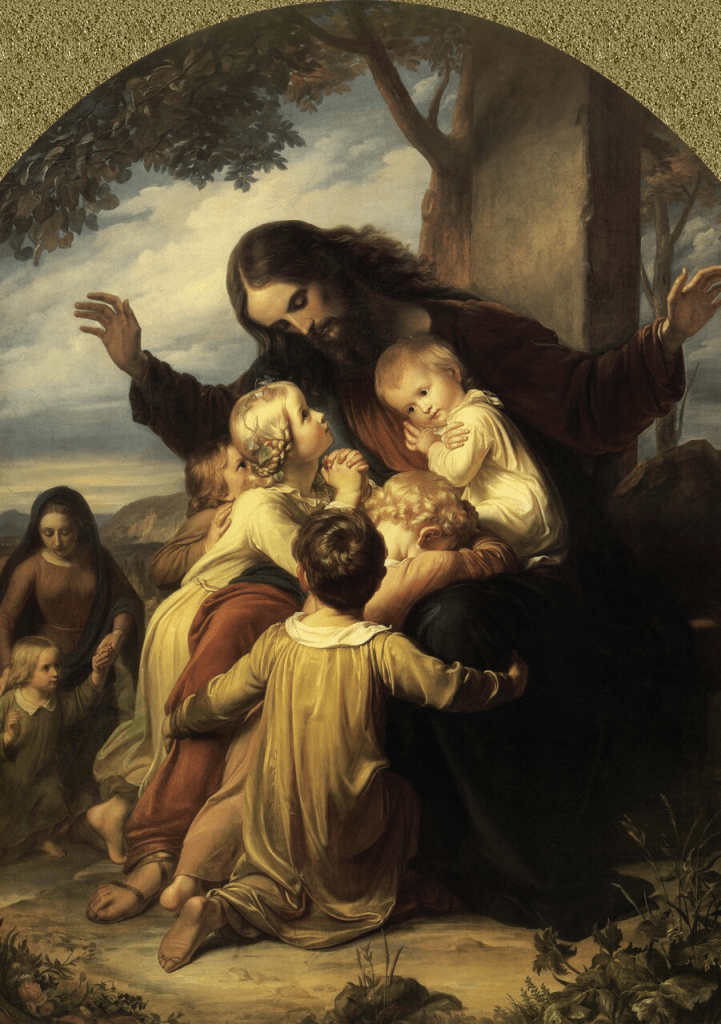
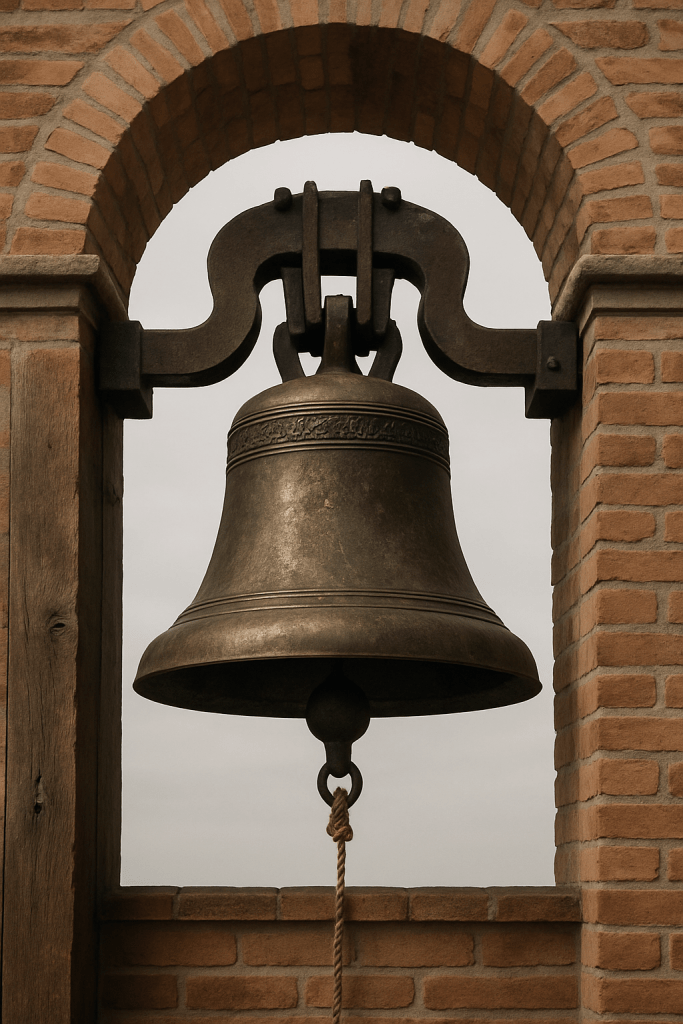






 Reformed Faith Insights