In a world where relationships are increasingly defined by convenience and personal benefit, the idea of finding a truly loyal woman can feel like looking for a pearl in the depths of the sea. But the Word of God gives us enduring hope and guidance. One of the clearest pictures of loyalty in a godly woman is found in the biblical account of Ruth. Her story is not merely a romantic tale—it is a living testimony to the kind of covenantal, steadfast love that reflects the very heart of God.
As a man seeking a future wife who exemplifies Christlike loyalty, I am drawn to Ruth’s life as a model. Ruth was loyal to her deceased husband’s family, to her mother-in-law Naomi, and ultimately to her future husband Boaz. In every phase of her story, we see her embody the qualities of a faithful, trustworthy, and godly woman—qualities that I long to find in my own future wife.
Let’s walk through Ruth’s loyalty and see how she stood in contrast to modern red flags, and how she models what godly loyalty looks like in action.
Ruth Was Loyal to Her Husband Even in Death
Ruth’s story begins with tragedy. Her husband had died, and with him, the apparent security of her future. According to worldly wisdom, Ruth should have returned to her family, remarried in Moab, and moved on. But she didn’t. Instead, she honored her late husband by staying with Naomi, his mother, who was now a destitute widow.
This shows us something crucial: Ruth’s loyalty wasn’t based on what she could get. It was covenantal, not contractual. She did not abandon her commitment when it became inconvenient.
Red Flag Avoided: Quick to run when things are hard or when conflict arises.
Ruth stayed.
She clung to Naomi and the God of Israel with the famous words: “Where you go, I will go; where you stay, I will stay. Your people will be my people, and your God my God” (Ruth 1:16).
This is loyalty in its purest form—one that does not forsake when loss or hardship arises. That’s the kind of loyalty I desire to find in a woman: one who sees love as a covenant, even when life takes an unexpected turn.
Ruth Was Loyal to Naomi – Her Mother-in-Law
Ruth didn’t just stay with Naomi; she actively served and cared for her. She moved to a foreign land with no promise of protection, income, or status—simply because she loved and honored her family. Ruth worked in the fields to provide food for Naomi and did so without complaint or entitlement.
Red Flag Avoided: Withholding emotional support or affection when it’s inconvenient.
Ruth went out to glean in the fields not for her own benefit but for the well-being of her aging and bitter mother-in-law. When Naomi sank into despair, Ruth remained a steady presence—not preaching, not correcting, just faithful.
That kind of loyalty reveals a woman who has emotional resilience, compassion, and strength—all rooted in her commitment to others.
Ruth Was Loyal to Boaz Before They Were Married
What’s most stunning is that Ruth honored Boaz before there was any promise of marriage. When she approached him on the threshing floor (a culturally appropriate sign of interest in that day), she did so with humility, purity, and intention. There was no manipulation, no game-playing. She wasn’t chasing attention from other men.
Red Flag Avoided: Flirting or keeping close relationships with other men in secret.
Red Flag Avoided: Playing games or keeping options open.
Ruth’s actions reflected a woman who walked with integrity even when no one was watching. She guarded her reputation and maintained boundaries. She trusted God’s timing and honored Boaz as a man of worth.
That kind of woman is rare. She does not see relationships as a ladder to climb or a marketplace to sample. She sees marriage as a sacred union to be entered with prayer, patience, and discernment.
Ruth Spoke Honorably and Acted With Integrity
In every conversation recorded in the book of Ruth, she speaks with humility, honor, and grace. She listens well. She does not gossip, and she does not demean others to lift herself up. When she speaks to Naomi, the field workers, and Boaz, she is respectful and dignified.
Red Flag Avoided: Speaking critically of you to others without attempting resolution.
Ruth would not have been one to vent her frustrations on social media or tear down others with sarcasm. She dealt with life’s challenges with wisdom and grace, and she always upheld the dignity of the people around her.
What Loyalty Looks Like in a Godly Woman – Embodied by Ruth
Let’s revisit the traits of a loyal woman through the lens of Ruth:
1. Faithful to God First
Ruth turned from the gods of Moab and followed the Lord of Israel. Her loyalty to Naomi was ultimately rooted in her submission to God. She began every relationship by anchoring herself to the Lord.
2. Faithful to Her Future Husband
Before the wedding vows were ever exchanged, Ruth demonstrated the qualities of a faithful wife. She guarded her heart, protected Boaz’s integrity, and acted in accordance with righteousness.
3. Defends the Relationship
When others left, Ruth stayed. When Naomi was bitter, Ruth loved. When there was no clear path forward, Ruth walked in faith. She was not passive about her commitments.
4. Integrity When Alone
What Ruth did in the shadows of gleaning fields and in quiet conversations was consistent with what she did in public. She lived a life of transparency and integrity.
5. She Builds, Not Undermines
Ruth’s presence in Naomi’s life restored hope. Her union with Boaz brought redemption. She is not a woman who tears down—she builds legacy.
The Kind of Woman I’m Waiting For
As a man preparing my heart for marriage, I’m not looking for perfection. I’m looking for Ruth-like loyalty:
A woman who fears God above all
A woman who does not run from difficulty
A woman who guards her heart and speech
A woman who honors covenant over convenience
A woman who is consistent, faithful, and kind
I don’t need someone to perform. I need someone who will be faithful in the field when no one’s watching. Who will love when it’s hard. Who will stay when others leave.
I am praying that God is preparing a Ruth-hearted woman even now—one whose loyalty is not just romantic, but spiritual, moral, and enduring.
And I am preparing myself to be a Boaz—worthy of such a woman.
So to the young men reading: Look for loyalty not in public displays but in private decisions. And to the young women: Let Ruth be your model, not the influencers of the age.
God is still writing love stories that are built to last—and they begin with loyalty.
“May the Lord reward your work, and your wages be full from the Lord, the God of Israel, under whose wings you have come to take refuge.” — Ruth 2:12
Text: Hebrews 9:11–15 Cross-references: Daniel 7:13–14; John 17
Introduction: Christ’s Work in Heaven
There is, perhaps, no truth more neglected among modern believers than that of the present work of our Lord Jesus Christ. We speak, and rightly so, of His incarnation, of His death upon the cross, and of His glorious resurrection—but how little is said of what He is doing now. The average Christian lives as if Christ simply ascended and disappeared, leaving us to carry on His work. But this is not the witness of the Scriptures.
What we must understand is this: that the work of our Lord Jesus did not conclude upon the cross, nor even with the empty tomb. Rather, the Scriptures teach us that He entered into heaven itself, into the true sanctuary, as both Priest and King, to appear in the presence of God for us. And in so doing, He fulfilled the vision that Daniel saw—the exaltation of the Son of Man to the Ancient of Days (Daniel 7:13–14). This was not merely a symbolic event; it was a literal, historical, and redemptive accomplishment. And it is this, I believe, that the author of the Epistle to the Hebrews sets before us so magnificently.
Let us never forget that Hebrews is not a mere theological treatise—it is a sermon. And the preacher, inspired by the Holy Ghost, is declaring to weary, persecuted Jewish Christians the absolute sufficiency of Christ’s person and work. He wants to anchor their faith not in earthly rituals, not in outward ceremonies, not in priesthoods that fade away—but in the risen, ascended, enthroned Christ who ministers in heaven right now on our behalf.
And so I say to you: if you are a Christian and yet your conscience remains troubled, if your heart still looks for assurance, if your soul is weary in service and uncertain in faith, it is because you have not rightly understood where Christ is and what He is doing. This passage, Hebrews 9:11–15, opens heaven’s veil to us. It shows us the High Priest who has entered once and for all, securing eternal redemption. And it is this action, this moment, that Daniel foresaw and that Jesus Himself anticipated in His high priestly prayer in John 17.
Let us then begin with the prophetic vision—the foundation of all that follows.
I. The Heavenly Scene Foretold – Daniel 7:13–14
A. The Vision of Daniel: A Prophetic Mystery
Daniel was given one of the most remarkable visions in all of Scripture. He sees, amidst terrifying kingdoms and collapsing empires, a figure unlike any other—a Son of Man. This is not a beast, not a monstrous ruler like those that came before, but one like a man, yet more than a man. “I saw in the night visions,” Daniel writes, “and behold, with the clouds of heaven there came one like a son of man, and he came to the Ancient of Days and was presented before him” (Daniel 7:13, ESV).
This, my friends, is not the Second Coming. This is the Ascension. The language is decisive—He is not coming from the Ancient of Days, but to Him. This is not a descent to earth, but an entrance into heaven. It is the return of the Redeemer to the presence of His Father, bearing the spoils of His conquest—the blood of the atonement, the obedience of His life, and the names of His people.
It is a royal enthronement. “And to him was given dominion and glory and a kingdom, that all peoples, nations, and languages should serve him” (v. 14). This is no earthly kingdom, subject to time or decay, but “an everlasting dominion, which shall not pass away.” And who is this Son of Man? Who is this figure who approaches the Ancient of Days in such majesty? It is none other than Jesus Christ, the Risen and Ascended Lord.
You remember how often our Lord referred to Himself as the “Son of Man.” It was not simply to emphasize His humanity—no, it was to identify Himself with this very vision. Every time He spoke of the Son of Man coming on the clouds, He was alluding to this majestic scene in Daniel. And yet, how many missed it then—and how many still miss it now.
B. The Ascension Interpreted by the New Testament
Turn, then, to Hebrews 9:11–12. What does the apostle declare?
“But when Christ appeared as a high priest of the good things that have come, then through the greater and more perfect tent (not made with hands, that is, not of this creation) he entered once for all into the holy places, not by means of the blood of goats and calves but by means of his own blood, thus securing an eternal redemption.”
Do you see it? Here is the fulfillment of Daniel’s vision. Here is the Son of Man ascending—not into the skies merely—but into the very presence of God. And what does He bring? Not a political agenda. Not angelic fanfare. He brings blood. His own blood. The blood that speaks a better word than the blood of Abel. The blood that once and for all satisfies the righteous demands of the law.
This is not a metaphor. This is not mere symbol. This is reality. This is the high point of redemptive history. When Jesus Christ ascended, He was not merely leaving earth—He was entering the throne room of heaven as our High Priest and King. He was being presented before the Ancient of Days, as Daniel saw, and to Him was given the everlasting kingdom.
And the book of Hebrews tells us why this matters. Because He entered, we are accepted. Because He stands there now, our salvation is secure. Because He lives to intercede, we have confidence to draw near.
Let me ask you, dear friends: Is this how you think of Christ? Not as a distant figure of history, not as a crucified teacher or moral example—but as the living, enthroned High Priest, interceding for you now?
This is the very heart of Christianity—not just what Christ did, but where Christ is.
II. The Greater and More Perfect Tabernacle – Hebrews 9:11–12
Now we come to the very marrow of the passage. The apostle declares in no uncertain terms that Christ, when He appeared as our High Priest, entered through the greater and more perfect tabernacle, one not made with hands, not of this creation. This statement, my friends, is one of the most sublime and spiritually rich declarations in all of Holy Scripture.
What does he mean by this? What is this “greater and more perfect tabernacle”? It is none other than heaven itself. Not a tent of goat’s hair in a desert. Not a temple of stone in Jerusalem. But the true dwelling place of God. The heavenly sanctuary. The throne room of divine majesty.
The Apostle Paul says in Colossians that the earthly tabernacle was merely a shadow of the things to come, but the substance belongs to Christ (Col. 2:17). And again, in Hebrews 8, we read that the earthly priests “serve a copy and shadow of the heavenly things.” The old tabernacle, with its golden lampstand and its ark of the covenant, its altars and its veil—these were not ends in themselves. They were signposts. Types. Shadows cast by a far greater reality.
You must understand: the entire ceremonial system of the Old Covenant was, from the very beginning, preparatory. God never intended it to be the final answer. It was never meant to cleanse the conscience or reconcile the sinner in full. It was a tutor, a teacher, to lead us to Christ.
And here in Hebrews 9, the apostle wants to shake us from any illusion that the old forms—beautiful as they were—could ever truly satisfy. He is addressing Jewish believers tempted to return to the old rituals, to the sacrifices and the temple rites. They had suffered for their faith. They were tempted to look back. And he says, “No! Christ has come, and with Him, the greater tabernacle!”
A. The Contrast: Shadows vs. Substance
Let us consider the contrast more closely.
The earthly tabernacle was made by men. It was built according to divine instructions, yes, but it was of this world—material, physical, and temporal. It could be torn down, and it was. It could be defiled, and it was. It was entered regularly by sinful priests who themselves needed atonement.
But Christ did not enter into such a place. He did not go into the old Holy of Holies, the one behind the veil in Jerusalem. No, He entered into the true Holy Place—the immediate presence of God. And He did not do so as one in need of cleansing, but as the sinless, spotless Lamb of God.
This is why the apostle emphasizes: not by the blood of goats and calves, but by His own blood.
Now this must be understood correctly. Christ did not carry physical blood into heaven as though offering it in some heavenly bowl. Rather, the emphasis is on the merit of that blood, the efficacy of that offering. It is by virtue of His shed blood—His completed sacrifice on the cross—that He enters. He brings the value of the blood, the power of the atonement, and that is what secures our eternal redemption.
You see, my friends, the Old Covenant was marked by repetition. The priest entered year after year, offering the same sacrifices, which could never take away sin. They could purify the flesh, yes. They could restore ceremonial cleanliness. But they could not cleanse the conscience. They could not change the heart.
But Christ has entered once for all—not every year, not again and again. Once… For all time… And in doing so, He has secured eternal redemption.
B. The True Day of Atonement
Consider for a moment the Day of Atonement, the high point of Israel’s calendar. On that day, the high priest would enter behind the veil, into the Most Holy Place. He would offer the blood of a bull for his own sin, and the blood of a goat for the people. He would sprinkle it on the mercy seat. He would burn incense. And all of this, under strict regulation, with fear and trembling, lest he die.
And yet, that entire ritual, year after year, was only pointing forward. It was never the substance—it was the shadow. What the high priest did in type, Christ has done in truth. What was enacted in symbol, He has accomplished in reality.
But oh, how much more glorious His ministry! The Old Covenant priest never sat down. There were no chairs in the tabernacle. Why? Because his work was never done. But Christ, when He had offered a single sacrifice for sins, sat down at the right hand of God. (Heb. 10:12)
Let me ask you: are you trusting in a Christ who is seated? Are you resting in the finality of His work? Or are you still laboring under the burden of a guilty conscience, as though the sacrifice were incomplete?
This is the glory of the Gospel: our High Priest is not ministering in the shadows—He is in the reality. He has entered the heavens with the merit of His own obedience and death, and He now ministers there for us.
C. What This Means for Us
Now what does all this mean practically?
It means, first, that your salvation is as secure as Christ’s position in heaven. As long as He remains there—and He shall remain forever—your redemption stands. You are not saved because you feel saved. You are not accepted because of your sincerity or your devotion. You are accepted in the Beloved because Christ has entered once for all, bearing His own blood.
It means, second, that you must stop looking to yourself. You must stop measuring your assurance by your performance. The conscience is cleansed not by introspection, not by self-effort, not by emotional catharsis—but by the blood of Christ applied through faith.
It means, third, that you may draw near. The veil is torn. The throne of grace is open. You do not need a human mediator, a priest or a pastor to represent you before God. Christ Himself is your Mediator. He bids you come boldly—not arrogantly, but confidently—because He has gone before you.
Oh, how little we make of these truths today. How often we reduce Christianity to therapy, or to moral improvement. We forget the grandeur of our redemption. But here it is, laid bare: Christ, our High Priest, has entered heaven itself, and has secured for us an eternal redemption.
“For Christ has not entered into holy places made with hands… but into heaven itself, now to appear in the presence of God for us.” (Heb. 9:24)
Let us marvel at this. Let us worship. Let us bow in reverent wonder. For this is the Gospel—not only that Christ died, but that He now lives and reigns as our Mediator and Priest in the heavenly sanctuary.
III. The Fulfillment of the High Priestly Work – John 17
We have looked into the heavenly tabernacle—this “greater and more perfect tent”—and we have seen that Christ has entered it not with the blood of animals, but with His own blood, thereby securing an eternal redemption. And now, before we examine more closely the blood itself, we must turn our attention to that deeply solemn and sublime passage which reveals the heart and intention of our Lord immediately before He offered that blood: John 17.
This chapter is often referred to as the High Priestly Prayer of Christ—and rightly so. It is a sacred moment, a hush before the storm. The cross lies directly ahead, yet the Lord is composed, clear, and determined. He lifts His eyes to heaven, and what follows is not mere private devotion, but a public unveiling of what is to come. This is not the weak pleading of a man at the end of his strength—this is the King-Priest declaring the completion of His mission and the inauguration of His heavenly ministry.
Indeed, John 17 is nothing less than a prophetic unfolding of what Christ will do immediately following His ascension into the heavenly sanctuary. The language is confident. The vision is certain. The Son knows the glory that awaits Him, and He gives voice to that which He shall fulfill once He ascends.
Let us consider several vital statements from this chapter.
A. “Father, the hour has come” – John 17:1
“Father, the hour has come; glorify your Son that the Son may glorify you…”
The “hour” of Christ has arrived—the appointed time decreed in eternity past when the eternal Son would complete His mission on earth. And what does He ask? “Glorify your Son.”
This glorification includes the cross, yes, but it does not end there. It includes the resurrection and the ascension and the enthronement. It is the whole movement upward, back to the presence of the Father—not merely as the eternal Son, but now as the God-Man, the High Priest who bears our names upon His heart.
This is the fulfillment of Daniel 7: “One like a Son of Man… came to the Ancient of Days… and to Him was given dominion and glory and a kingdom.” Jesus is now setting in motion the very ascent depicted by Daniel. He is, even in this prayer, preparing to walk the path that will lead from the cross to the clouds, from the tomb to the throne.
B. “I have glorified You on earth” – John 17:4
“I glorified you on earth, having accomplished the work that you gave me to do.”
Notice the past tense: “I have glorified… I have accomplished.” Though the cross lies immediately ahead, Christ speaks as though it were already complete. Such is the certainty of His obedience, the resolve of His love, and the unshakable decree of God.
The work He refers to is not merely His teaching or miracles. It is the work of perfect obedience, the fulfilling of all righteousness, and ultimately the atoning death that would satisfy divine justice.
But again, this work is not an end in itself. It is the ground upon which He shall stand as Mediator in heaven. The cross qualifies Him to enter the true Holy of Holies—not as a victim, but as a Victor; not as one to be sacrificed again, but as the Priest who has already offered the once-for-all sacrifice.
C. “Glorify Me… with the glory I had with You” – John 17:5
“And now, Father, glorify me in your own presence with the glory that I had with you before the world existed.”
This is perhaps one of the most astonishing requests in all of Scripture. The eternal Son, having taken upon Himself our flesh, now prepares to return to the glory He shared with the Father before the foundation of the world. But now, He returns not only as God—but as the God-Man. As the second Adam, the Great High Priest, the Mediator of a better covenant.
This moment—His glorification in the presence of the Father—is precisely what Hebrews 9 reveals: that He entered not into holy places made with hands, but into heaven itself, now to appear in the presence of God for us.
Christ, by His own death, is preparing to resume the glory of heaven—but He does so not alone. He does so bearing the names of His people, having secured our place with Him.
D. “I desire that they… may be with Me” – John 17:24
“Father, I desire that they also, whom you have given me, may be with me where I am, to see my glory…”
Here we see the very heart of the priestly ministry. Why does Christ die? Why does He rise? Why does He ascend and intercede? It is so that we—His blood-bought people—might be with Him, to see and share in His glory.
This is not vague sentiment. This is covenantal purpose. The blood He is about to shed is not simply to pardon, but to purchase a people for glory. His ministry is not simply rescue from judgment, but restoration to communion.
This is the very end for which the blood will be spilled, and it brings us directly into the next portion of our passage.
For if Christ desires that we be with Him and see His glory, we must ask: How is that accomplished? How is sin removed? How is the conscience cleansed? How is entrance into the presence of God made possible?
The answer, as Hebrews 9:13–15 now shows us, is through the power of the blood.
IV. The Blood That Speaks – Hebrews 9:13–15
It is here that the entire argument of the epistle—and of redemption itself—comes to a head. The Son has entered heaven. The High Priest has taken His place. But on what basis? With what authority? By what means?
And the answer is given in glorious clarity: the blood of Christ.
For if the blood of bulls and goats and the sprinkling of ashes had any ceremonial effect under the old covenant, how much more shall the precious blood of the sinless Son of God cleanse the conscience, purge the heart, and prepare us to serve the living God?
“For if the blood of goats and bulls, and the sprinkling of defiled persons with the ashes of a heifer, sanctify for the purification of the flesh, how much more will the blood of Christ, who through the eternal Spirit offered himself without blemish to God, purify our conscience from dead works to serve the living God.” (Hebrews 9:13–14)
A. The Inner Work: Purifying the Conscience
Now notice carefully what the apostle says: that the blood of Christ purifies not merely the body, not the outward man, but the conscience.
My dear friends, let me say this with great clarity: a guilty conscience is one of the great hindrances to true Christian service. It robs the believer of joy, of peace, of power in prayer. It makes us timid, anxious, uncertain. And tragically, many Christians live in a condition of spiritual instability because they have never fully grasped the sufficiency of the blood of Christ.
They confess sin, but still carry shame. They sing of grace, but live under guilt. Why? Because their conscience has not been purified by the living application of Christ’s blood through faith.
Do you understand what the blood of Christ does? It speaks to your inner man. It declares, “It is finished!” It silences the Law’s demands. It hushes the accuser’s voice. It cleanses the stain that nothing else could ever reach. No ritual can do this. No good work can bring it. No philosophy can provide it.
Only the blood of the spotless Lamb, offered through the eternal Spirit, to God on your behalf, can cleanse your conscience so that you may serve—not as a slave, but as a son.
And what a transformation that is! From dead works—those futile efforts to justify oneself before God—to living worship and service. From hollow religion to spiritual communion. From dread of God to delight in Him.
This is the effectual, inward work of the new covenant, purchased by blood. And it is the necessary preparation for the Christian life—not just for conversion, but for the entire Christian pilgrimage.
B. The Mediator of the New Covenant (v.15)
“Therefore he is the mediator of a new covenant, so that those who are called may receive the promised eternal inheritance, since a death has occurred that redeems them from the transgressions committed under the first covenant.”
Now the apostle lifts our eyes higher still. Christ is not only a Redeemer—He is the Mediator of a new covenant.
And what is a mediator? It is one who stands between two parties—representing each, reconciling both. Christ is the one who bridges the chasm between God and man. He fulfills both sides: He satisfies divine justice as God, and He obeys the law perfectly as man.
And this mediation, we are told, ensures that “those who are called may receive the promised eternal inheritance.”
You see, this is not theoretical theology. This is intensely personal. There are a people—called, chosen, beloved—who shall, because of Christ’s blood, receive the promised inheritance. Not just forgiveness, but eternal fellowship with God. Not just rescue from judgment, but restoration to glory. Not merely escape from hell, but entrance into the very presence of God, where there is fullness of joy.
But how is this possible? “Since a death has occurred…” Yes, this is the bedrock. Christ has died—once, for all. The curse of the law has been satisfied. The transgressions of the first covenant—those countless violations of the Mosaic Law—have been dealt with. The price has been paid. The debt is cleared.
And the result? The way is opened. The inheritance is secured. The covenant is enacted.
Now understand this, dear friends: This is not some abstract transaction. This is not mechanical or distant. This is the heart of God expressed through the cross. It is love in action. It is justice and mercy meeting in the blood of Christ.
This is what Christ was preparing to do in John 17. This is what He entered heaven to proclaim in Daniel 7. And this is what the Holy Spirit now declares through Hebrews 9: that the blood of Jesus Christ purifies, redeems, mediates, and secures.
But having laid such glorious theological foundations, the apostle will not leave us in the clouds. He brings us down to earth. He now calls us to respond—not with cold assent or detached admiration—but with wholehearted, practical submission.
For if these things be true—and they are—then they demand everything from us. They demand our attention, our worship, our service, and our lives.
And so we are led, quite naturally and necessarily, into our final consideration:
V. Application and Exhortation: Living Under the Power of a Perfect Priesthood
For what is all this theology—this glory, this cleansing, this eternal inheritance—meant to produce? Is it not meant to shape the way we live? To affect how we think, how we pray, how we walk in this present evil world?
It is not enough, you see, to admire the priesthood of Christ—we must live in light of it. We must live as those whose consciences have been cleansed, whose debts have been paid, whose eternal destiny is secure.
And the New Testament never separates doctrine from duty. The indicatives of grace always lead to the imperatives of godliness. If Christ is now in heaven for us, then what should that mean for our lives now, here below?
It is to this vital, searching, and glorious question that we now turn.
Having seen the glory of the ascended Christ, the superiority of His sacrifice, and the eternal redemption He has secured through His blood, we are now confronted with a question of deep personal significance: What does all of this mean for us? What should be the effect of this glorious truth upon the daily life of the believer?
My dear friends, I fear that many professing Christians live far beneath their privileges. We affirm great doctrines, yet we live like paupers. We sing of redemption, but carry guilt like those still under the law. We hear of a High Priest in heaven, yet we often live as if we must still mediate for ourselves.
And so, the question we must answer this morning is this: How should we now live, in light of the finished work and heavenly ministry of Christ?
Let me offer three great exhortations drawn directly from the logic of Hebrews and the implications of John 17.
A. Let Us Rest in a Perfect Salvation
The first application is this: rest in the finished work of Christ. Cease from your striving. Stop your vain attempts to earn God’s favor. Lay down the weary burden of self-righteousness.
Why? Because Christ has already done what you never could. He has obeyed the law perfectly. He has satisfied the justice of God. He has sprinkled the mercy seat—not with the blood of another, but with His own—and the Father has accepted it.
Do not insult this great High Priest by doubting His sufficiency. Do not grieve the Spirit by living as though the cross were incomplete. Your salvation does not rest upon your strength, but upon His blood and righteousness.
Oh, how many Christians live under a cloud because they will not believe that Christ’s blood truly cleanses! How many continue to confess the same sin—not because they are repenting, but because they do not believe it has been forgiven.
Let the blood speak louder than your shame. Let the intercession of Christ drown out the accusations of the devil. Let His entrance into heaven assure you that you belong there too—not because of what you’ve done, but because of what He has done for you.
B. Let Us Serve the Living God with a Clean Conscience
Secondly, the apostle tells us that the blood of Christ purifies the conscience to serve the living God (Hebrews 9:14). True service flows not from guilt, but from grace—not from fear, but from joy.
We are not called to serve in order to be saved, but because we are saved. The priesthood of Christ does not make our service unnecessary; it makes it possible and acceptable.
Before Christ, the conscience is defiled. Even our best efforts are tainted. Our “righteous deeds are as filthy rags.” But now, being washed and made new, we can offer spiritual sacrifices, acceptable to God through Jesus Christ (1 Peter 2:5).
And so I ask you: are you serving the Lord? Are you using your gifts, your energy, your time in view of the mercy you’ve received? Have you moved beyond ceremonial religion into living worship? Does the reality of the heavenly sanctuary shape your priorities on earth?
Let it never be said of us that we loved doctrine but neglected duty. Let it never be said that we rejoiced in Christ’s intercession but failed to intercede for others. Let us rise and serve the living God with confidence—not to earn His love, but because we already have it.
C. Let Us Live in Light of the Eternal Inheritance
Finally, we are told that those who are called receive the promised eternal inheritance (Hebrews 9:15). That is our destination. That is our hope.
You see, Christ has not only purchased our forgiveness—He has secured our future. He did not enter the heavenly tabernacle merely to stand there; He entered as our Forerunner (Hebrews 6:20), preparing a place for us.
How does this affect your daily life? It means you can endure suffering with patience. It means you can resist temptation with purpose. It means you can say no to the world’s offers because you have something infinitely better.
We are strangers and pilgrims here. Our citizenship is in heaven. And one day, we shall see the Son of Man again—not coming to suffer, but to reign—not to offer sacrifice, but to claim His bride.
And when He comes, He shall not come for those who merely nodded at His doctrines, but for those who longed for His appearing—those who lived as if heaven were real, and Christ were near.
Conclusion: The Throne, the Blood, and the Call to Come
Let me end where we began. The Christian life stands upon a mighty foundation: a throne, a priest, and a blood that speaks better things than that of Abel.
Christ, the Son of Man, has ascended to the Ancient of Days. He has taken His seat at the right hand of the Majesty on high. He has entered the true tabernacle, having obtained eternal redemption.
He is the fulfillment of Daniel’s vision. He is the answer to His own high priestly prayer in John 17. And He is the one whom the author of Hebrews sets before us—not as a figure of history, but as a present and living reality.
So I ask you now, as a preacher of the gospel and as your fellow pilgrim:
Have you fled to this High Priest for refuge?
Has His blood cleansed your conscience?
Are you living under the power of His intercession?
Are you longing for the inheritance He has secured?
Do not be content with outward religion. Do not settle for cold orthodoxy or ceremonial routine. Come all the way in. Come past the outer court. Come beyond the veil. Come by the blood of Jesus into the presence of the living God.
“Let us draw near with a true heart, in full assurance of faith, with our hearts sprinkled clean from an evil conscience and our bodies washed with pure water.” (Hebrews 10:22)
And let us live—joyfully, courageously, and reverently—as those whose names are written in heaven, whose sins are covered by blood, and whose High Priest reigns forever.
To Him be glory and dominion and majesty forever and ever. Amen.
Before you go!
Would you please take a moment to pray for my dear brother and sister in Christ—Mitchell and Paige Geerts—who were just married this past weekend and are currently on their honeymoon? Pray that the Lord would shape Mitchell into a godly, sacrificial leader in their home—a true reflection of Christ, a savior to his bride. Pray that Paige would joyfully and wisely submit to his leadership and become a mother-of-life in their household—a steadfast, Spirit-filled prayer warrior for their marriage and for our church. Your prayers for them mean more than you know. Thank you for lifting them up before the throne of grace.
William Perkins (1558–1602), known as the Father of the Puritan Movement, was a theologian and preacher who shaped generations of English Protestants. With clarity and pastoral urgency, Perkins laid out ten steps that describe the soul’s journey into true conversion. These were not intended as cold doctrines but as spiritual markers to help ordinary believers examine their hearts.
As Jesus said in Matthew 7:21, “Not everyone who says to me, ‘Lord, Lord,’ will enter the kingdom of heaven…” Genuine salvation is not merely a profession but a Spirit-wrought transformation.
Here are Perkins’ ten steps, explained, supported with Scripture, and expounded upon for today’s reader:
Hearing the Word of God with Conviction
“So faith comes from hearing, and hearing through the word of Christ.” —Romans 10:17
True conversion begins when the Word of God is heard—not only with the ears but with the conscience awakened. The Word pierces the heart and lays bare the soul. Regular engagement with Scripture uncovers sin, corrects the mind, and begins the inward work of grace.
Exegesis: Paul teaches that faith is not self-generated; it arises through the Spirit’s work as we encounter Christ in the gospel. Conviction is evidence that the Word is taking root.
Learning to Discern Good from Evil
“But solid food is for the mature, for those who have their powers of discernment trained by constant practice to distinguish good from evil.” —Hebrews 5:14
As a person continues in the Word, their conscience becomes sharpened. Sin loses its disguises. Holiness becomes beautiful. This step marks spiritual growth in wisdom and an increasing alignment with God’s will.
Exegesis: The writer to the Hebrews rebukes spiritual stagnation. Discernment is not automatic—it grows through consistent exposure to God’s truth and obedience.
Conviction of Personal Sin
“Woe is me! For I am lost; for I am a man of unclean lips…” —Isaiah 6:5 “All have sinned and fall short of the glory of God.” —Romans 3:23
Genuine conversion brings a realization that sin is not just a concept but a personal offense against God. It produces humility, confession, and a sense of one’s need for reconciliation.
Exegesis: Isaiah’s vision of God’s holiness exposes his sinfulness, just as God’s Word does for us. Paul, in Romans, universalizes the guilt—all must reckon with this reality.
Fearing God’s Wrath
“It is a fearful thing to fall into the hands of the living God.” —Hebrews 10:31 “The fear of the Lord is the beginning of wisdom.” —Proverbs 9:10
While modern thinking often softens God’s justice, Perkins reminds us that true conversion does not ignore the reality of judgment. A holy fear drives us from sin and into the arms of mercy.
Exegesis: Hebrews speaks to professing Christians who are tempted to turn away. God’s wrath is not a medieval myth—it is a biblical warning that reveals His justice and calls us to repentance.
Seriously Considering the Gospel
“For I am not ashamed of the gospel, for it is the power of God for salvation…” —Romans 1:16–17
To consider the gospel is not a passing thought—it is to weigh it, to meditate on it, and to seek understanding. The gospel reveals both our ruin and God’s remedy. The more deeply it is considered, the more clearly Christ’s beauty is seen.
Exegesis: Paul highlights that the gospel reveals God’s righteousness. This is not man’s work for God, but God’s work for man. We receive this righteousness through faith.
Beginning to Trust Christ
“Whoever believes in him is not condemned…” —John 3:18 “The life I now live… I live by faith in the Son of God, who loved me and gave himself for me.” —Galatians 2:20
The convicted soul turns from self to Christ. Trust begins. Faith reaches out—not with perfect strength, but with genuine dependence. Christ becomes not just the Savior, but my Savior.
Exegesis: Faith unites us to Christ. John makes the contrast clear: belief brings life, unbelief brings condemnation. Galatians shows the personal nature of saving faith.
Overcoming Doubt and Unbelief
“Lord, I believe; help my unbelief!” —Mark 9:24 “I have been crucified with Christ… and the life I now live… I live by faith…” —Galatians 2:20
A growing believer does not live in constant despair. Though doubts arise, the heart increasingly rests in God’s truth. This assurance is the fruit of spiritual maturity and the Spirit’s witness.
Exegesis: The father in Mark shows that imperfect faith is still true faith. God meets us in our weakness. As we grow, faith replaces doubt—not by our strength, but by God’s promises.
Resting on the Promises of God
“For all the promises of God find their Yes in him.” —2 Corinthians 1:20 “I will never leave you nor forsake you.” —Hebrews 13:5
A converted heart learns to cling to the promises of God—not as vague hopes but as personal assurances. The “I wills” of Scripture become the foundation upon which we stand.
Exegesis: God’s promises are secured in Christ. Every covenant word finds fulfillment in Him. The believer lives not by sight, but by trusting these sure promises.
Evangelical Sorrow for Sin
“Blessed are those who mourn, for they shall be comforted.” —Matthew 5:4 “Rivers of water run down from my eyes, because men do not keep Your law.” —Psalm 119:136
As one grows in grace, sorrow deepens—not only for personal sin but for sin in the world. This is not despair, but a Spirit-produced grief that leads to intercession, repentance, and hope.
Exegesis: Jesus blesses those who mourn—not with self-pity but over sin. Psalm 119 expresses a heart so aligned with God’s holiness that it weeps over unrighteousness.
Seeking to Obey God
“If you love me, you will keep my commandments.” —John 14:15 “Be doers of the word, and not hearers only, deceiving yourselves.” —James 1:22
True conversion produces obedience. Not to earn God’s favor—but because we have received it. The new heart delights in God’s law and longs for His name to be honored.
Exegesis: Jesus makes obedience the fruit of love, not legalism. James warns that hearing without doing is spiritual self-deception. Real faith works through love.
Final Exhortation: Examine Yourself
Perkins’ list is not meant to create fear, but clarity. As Paul writes in 2 Corinthians 13:5, “Examine yourselves, to see whether you are in the faith.”
These ten steps map out the Spirit’s work in the soul. Have you experienced them? Do they reflect your own journey? If not, don’t delay. Run to Christ. Ask Him to grant you a new heart. There is no sin so great that His grace cannot cover.
As Perkins once warned and encouraged: “Let us not content ourselves with the outward show of religion, but labor to have the truth and power of it in our hearts.”
Submit yourself to the test—and above all, submit yourself to Christ.
When we think of early Hollywood, images of glamorous stars, dramatic scores, and sweeping tales come to mind—but behind that golden curtain was a clever dance with censorship. During the early to mid-20th century, strict moral codes regulated what could and couldn’t be shown on the silver screen. But Hollywood, ever the innovator, found a loophole: if you couldn’t depict sensuality in modern stories, you could still slip it into tales of ancient civilizations and Biblical grandeur. Enter films like The Ten Commandments (1956), David and Bathsheba (1951), and Cleopatra (1963)—lavish epics that offered not just spiritual or historical inspiration, but thinly veiled eroticism wrapped in moral or historical justification.
This fascinating workaround tells us a lot about the culture of early cinema—and about the human impulse to express what’s forbidden, even when under a microscope.
The Rise of the Hays Code
To understand the loophole, we have to start with the barrier: the Motion Picture Production Code, more commonly known as the Hays Code, named after Will H. Hays, president of the Motion Picture Producers and Distributors of America (MPPDA). Enforced from the 1930s through the late 1960s, the Hays Code established what was deemed morally acceptable in American cinema.
The code forbade explicit depictions of sexuality, nudity, profanity, excessive violence, and anything that might “lower the moral standards of those who see it.” Adultery, for instance, could be implied, but never justified or shown as glamorous. Even a passionate kiss had to be restrained—and preferably followed by guilt, consequences, or both.
While this limited the content of film scripts and screenplays, it didn’t curb the appetite of moviegoers for stories that stirred emotion, imagination, or desire. Hollywood needed a way to satisfy the audience’s craving for spectacle, drama, and sensuality—without running afoul of the moral police.
A Clever Cloak: Ancient Worlds and Sacred Texts
The solution was both shrewd and poetic: wrap sensuality in historical or Biblical storytelling. By placing scantily clad women, forbidden affairs, and suggestive dances in the context of ancient Egypt, Rome, or Israel, filmmakers could argue that they were simply depicting history—or illustrating a Biblical moral lesson.
After all, the Bible itself is full of stories of lust, betrayal, violence, and temptation. The difference was that these themes could be framed as warnings, not celebrations.
Hollywood latched onto this angle and gave audiences a buffet of visual delights under the banner of religious and cultural education.
David and Bathsheba (1951): Desire in the Shadow of Judgment
Henry King’s David and Bathsheba, starring Gregory Peck and Susan Hayward, is a prime example. The story comes from 2 Samuel—King David sees Bathsheba bathing, desires her, and initiates an affair that leads to deception and death. It’s a tale of lust and power, guilt and repentance.
Under the Hays Code, this story might’ve been off-limits in a contemporary setting, but wrapped in ancient Israel’s history, it was suddenly permissible. The film leaned into the sexual tension between David and Bathsheba, offering close-ups of Bathsheba’s wet, glistening body and lingering glances that conveyed more than words could say.
Yet because the story ends in repentance and moral resolution, the sensuality could be defended as necessary context for a moral lesson. The result? Audiences got a steamy tale disguised as spiritual reflection.
The Ten Commandments (1956): Holy Ground with High Glamour
Cecil B. DeMille’s The Ten Commandments is one of the most iconic Biblical epics ever made. With Charlton Heston as Moses and Yul Brynner as Pharaoh Rameses, the film dazzled with its pageantry, special effects, and sweeping narrative.
But look closer, and you’ll find that DeMille didn’t just deliver religious drama—he also wove in a fair share of seductive intrigue. Characters like Nefretiri (played by Anne Baxter) are presented with stunning costumes, sultry eyes, and suggestive dialogue. Her desire for Moses—and her jealousy over his love for another—creates an emotional triangle that heightens both romantic and sexual tension.
Nefretiri’s allure is central to the drama, and DeMille clearly enjoyed pushing the limits of what he could show. Her dresses cling to her form, her movements are sensual, and her role is not merely decorative—she is the vehicle through which desire and danger intersect. But again, because the film is rooted in Scripture, the sensuality is cloaked in moral storytelling.
Cleopatra (1963): A Queen of Seduction on a Grand Stage
By the early 1960s, the Hays Code was starting to lose its grip, but Cleopatra still played by many of its rules. With Elizabeth Taylor in the title role, the film became one of the most lavish—and expensive—productions of all time. It also turned Cleopatra into a modern sex symbol, despite being set in 1st century BCE.
Cleopatra’s character was rooted in history, but her depiction was pure Hollywood seductress: commanding yet sultry, intelligent yet emotionally explosive. Her affairs with Julius Caesar (Rex Harrison) and Mark Antony (Richard Burton) were given the spotlight, with luxurious costuming, lingering bedroom scenes, and exotic dances that, in any other context, would have been censored.
Because Cleopatra was a historical figure, and her romantic liaisons are part of the historical record, the filmmakers could push the envelope. In truth, the film used its ancient setting to smuggle in as much sexual tension and visual allure as possible—without being accused of indecency.
Why the Loophole Worked
What made this loophole so effective was its plausible deniability. Filmmakers could claim they were simply being accurate to the Bible or to ancient history. If a character was bathing on a rooftop, dancing before a king, or seducing a Roman general—well, that’s just what happened, right?
The moral framework of the Hays Code allowed for sin to be shown, as long as it was ultimately condemned. And Hollywood made full use of that clause: sin could be beautiful, tempting, and visually rich—as long as it was punished or repented of by the end.
Legacy and Lessons
This method of embedding sensuality in the sacred didn’t just skirt censorship—it created a fascinating tension in American film culture. It allowed audiences to engage with themes of desire and seduction in a way that felt “safe,” because it came wrapped in a higher moral purpose.
It also revealed a double standard that remains relevant today: that sometimes, what we consider “sacred” can be used to justify what we also consider “forbidden.” The very stories meant to teach restraint became vehicles for indulgence.
As the Hays Code gave way to the MPAA rating system in the late 1960s, Hollywood no longer needed these elaborate workarounds. Films could now feature adult themes openly—but the era of the grand, sensual Biblical epic left a mark. It showed the ingenuity of filmmakers, the desires of audiences, and the paradox of a culture that both feared and craved seduction.
Conclusion
In early Hollywood, when strict regulations governed what could be shown on screen, the industry responded not with silence but with creativity. By placing sensuality within the safe walls of Biblical or historical epics, filmmakers found a loophole that entertained millions while sidestepping censorship.
Movies like The Ten Commandments, David and Bathsheba, and Cleopatra offered more than just historical or religious drama—they offered a sly nod to human desire, all under the watchful eyes of censors who couldn’t quite call foul.
In the end, these films remind us that art—and artists—will always find a way to express what lies beneath the surface, even when the rules say “no.”
Whenever I feel the weight of deep suffering in my life—when the questions are louder than the answers and hope seems far—I try to imagine what it would have been like to live during the 400 years of Israelite bondage in Egypt. I picture the burning sun overhead, the endless days of grueling slave labor, and the absence of rest. There was no Sabbath yet—Moses hadn’t arrived. The law wasn’t given. The only thing I would have to cling to was a faint promise passed down from generations: that God would send a Deliverer. That one day, the land promised to our forefather Abraham would be ours. But until then, it was just the desert heat and the weight of chains. And yet, somehow, that promise sustained them—and it sustains me, too.
The Reality of Bondage
The Israelites lived under the heavy burden of Egyptian oppression for centuries. Generation after generation knew nothing but slavery. They woke up to the crack of whips, worked under the unforgiving sun, and fell asleep with calloused hands and aching bodies. There was no respite, no break, no weekend. The idea of a “Sabbath” didn’t exist yet. Their suffering was not brief or occasional; it was systemic and generational.
For many of us, suffering may not look like physical slavery, but it often feels like we are shackled. We live through seasons where it seems like God is silent, and hope is distant. Emotional pain, financial struggles, relational breakdowns, chronic illness—these burdens press down on us. We begin to wonder if God sees, if He hears, or if He remembers.
The Long Wait for a Promise
God had made a covenant with Abraham long before the Israelites ever entered Egypt. He promised Abraham a land, a nation, and a blessing that would reach the entire world (Genesis 12:1-3). But in Genesis 15:13-16, God also made it clear that the fulfillment of that promise would not come quickly:
“Know for certain that your offspring will be sojourners in a land that is not theirs and will be servants there, and they will be afflicted for four hundred years. But I will bring judgment on the nation that they serve, and afterward they shall come out with great possessions… for the iniquity of the Amorites is not yet complete.”
There is a staggering weight to those words: “not yet complete.” God was not only working on behalf of His people, but also weaving together justice for the land they would one day inhabit. The Israelites suffered while the sin of another people group reached its fullness. This is not a comfortable truth, but it is a divine one: sometimes our suffering is interwoven with a plan we cannot see, bound up in justice and mercy that are being timed with divine precision.
God Does Not Forget
Exodus 2:23-25 gives us a glimpse into God’s heart in the midst of long suffering:
“The people of Israel groaned because of their slavery and cried out for help. Their cry for rescue from slavery came up to God. And God heard their groaning, and God remembered his covenant with Abraham, with Isaac, and with Jacob. God saw the people of Israel—and God knew.”
That final phrase, “and God knew,” is one of the most comforting in all of Scripture. God’s knowledge is not detached. He doesn’t just observe—He enters in, He acts, and He delivers. And in His perfect timing, He raised up Moses to lead His people out of bondage. The deliverer came, just as He promised.
And centuries later, another Deliverer would come—the greater Moses, Jesus Christ. He didn’t just lead us out of physical slavery, but out of bondage to sin and death. His kingdom has been established, and though we wait for its fullness, the promise has already begun to unfold.
Christian Suffering Today
We still walk through wilderness seasons. We still feel the sting of unanswered prayers, the fatigue of carrying burdens that seem to have no end. But Christian suffering is never purposeless. It is shaped by a narrative of redemption. We don’t just suffer in silence; we suffer in hope.
When I feel stuck in the middle of a season that makes no sense, I try to remind myself: Abraham didn’t see the promised land fulfilled in his lifetime. The Israelites waited generations. Yet God was faithful. Always faithful. The same God who heard their groaning hears ours.
In our trials, we have the benefit of looking back on the full arc of God’s redemptive plan. We know how the story plays out. Jesus came. The Spirit dwells in us. The kingdom is here and still coming. That doesn’t take away the pain, but it infuses it with meaning and hope.
Encouragement for the Journey
If you’re walking through a season of suffering right now, I want to encourage you with this: God is not blind to your pain. He sees. He hears. He knows. Just as He remembered His covenant with Abraham, He remembers the promises He’s made to you in Christ.
The path may not be clear. The future might look uncertain. But we serve a God who fulfills every word He has spoken. Moses came. Jesus came. The promises have not failed, and they never will.
So hold on. Keep trusting. Your suffering is not the end of the story—it may very well be the soil in which God’s deepest work is being done. Trust in His providence, even when you can’t yet see the deliverance. Because it’s coming. It always does.
Throughout history, the outward expressions of faith have often served as visible markers of deeper theological and cultural convictions. One such tradition, often overlooked, is the growing of beards among Reformed churchmen, a practice deeply rooted in the legacy of the Protestant Reformers—Martin Luther, John Calvin, and John Knox. These men, pillars of the Reformation, chose to grow out their beards as an act of protest against the Roman Catholic Church’s insistence that monks remain clean-shaven.
However, this was more than mere defiance—it was a declaration of biblical manhood and a theological statement that stood against the constraints of enforced celibacy. By allowing their beards to grow, these Reformers expressed a clear affirmation of marriage, family, and the priesthood of all believers. Today, in an era saturated with promiscuity, libertinism, and a distortion of biblical masculinity, the resurgence of bearded Reformed men could once again serve as a sign of commitment—not only to historic Protestant faith but also to the God-ordained institutions of marriage and fatherhood.
The Beard as a Sign of Reformation Heritage
To understand the significance of beards in the Reformed tradition, one must look at the historical context in which the Reformers lived. In the Roman Catholic Church of the Middle Ages, monks were required to shave their faces as a sign of their celibacy and devotion to their order. The act of shaving symbolized their separation from the world and their renunciation of marriage. The Reformers, in their opposition to monasticism and the unbiblical enforcement of clerical celibacy, deliberately embraced their beards as a means of differentiation.
John Knox, the fiery Scottish Reformer, wore his beard long as a sign of his identity as a preacher of God’s Word and a married man. John Calvin, known for his meticulous theological writings, also bore a beard as a reflection of his adherence to biblical norms rather than Catholic traditions. Even Martin Luther, who was once an Augustinian monk, let his beard grow as a declaration of his newfound biblical conviction that clergy should marry, as Paul instructed in 1 Timothy 3:2: “An overseer must be the husband of one wife.”
In this way, the beard became more than just a stylistic choice; it was a visual affirmation of biblical fidelity and a rejection of man-made restrictions on God’s design for marriage and family.
A Symbol for the Modern Churchman
In today’s society, Christian men who seek marriage and fatherhood often find themselves swimming against a cultural tide that promotes casual relationships, extended adolescence, and an aversion to responsibility. The biblical model of manhood—one of leadership, provision, and commitment to family—is increasingly seen as archaic, if not outright oppressive.
Growing a beard, while certainly not a requirement for godliness, can serve as a small but significant marker of one’s alignment with historic Christian convictions. In the same way that the Reformers used their beards to signify their rejection of clerical celibacy and their embrace of marriage, modern Reformed men can use their beards as a testimony to their commitment to biblical masculinity, marriage, and the raising of godly offspring.
The Biblical View of Beards and Manhood
Scripture itself speaks positively of beards as a symbol of dignity and wisdom. In Leviticus 19:27, God commanded the Israelites not to cut the edges of their beards, distinguishing them from the surrounding pagan nations. In 2 Samuel 10:4-5, the humiliation of David’s servants was marked by the shaving of their beards, signifying a loss of honor.
While the New Testament does not command the growing of beards, it is evident that in the cultural and biblical mindset, a man’s beard often signified maturity, wisdom, and respectability. In light of this, the act of growing a beard today can be a reflection of a desire to embrace biblical patterns of manhood in a world that often seeks to blur the distinctions between the sexes.
Reclaiming the Beard as a Counter-Cultural Statement
The world today is marked by a radical departure from biblical principles. The sexual revolution has devalued marriage, encouraged promiscuity, and led many young men to abandon their God-given responsibilities. The Apostle Paul warns against such times in 2 Timothy 3:1-5, describing a generation that would be “lovers of self, lovers of money, proud, arrogant, disobedient to their parents, ungrateful, unholy, heartless…”
Christian men must respond by embracing biblical counter-cultural symbols—signs that mark them as distinct from the world’s wayward trends. Just as the Reformers grew out their beards as a sign of defiance against enforced celibacy and as an affirmation of marriage, modern Reformed men can reclaim this tradition as a declaration of their desire to marry, raise children, and lead their households in godliness.
This is not to say that every Christian man must grow a beard to prove his faithfulness. But in a time when masculinity itself is under attack, tangible symbols can serve as important reminders—both to ourselves and to those around us—of our commitment to biblical principles. A full, well-groomed beard can stand as an emblem of a man’s devotion to his faith, his family, and his role as a leader within the home and the church.
Conclusion: More Than Facial Hair
While the beard itself holds no salvific power, its historical and theological significance should not be overlooked. In the time of the Reformers, it was a mark of defiance against an unbiblical suppression of marriage. Today, it can serve as a mark of defiance against a culture that devalues marriage, promotes immorality, and seeks to efface biblical masculinity.
Growing a beard as a Christian man is not about legalism or empty symbolism—it is about identifying with a heritage of biblical conviction and a vision of godly manhood. It is a small but meaningful way to declare, “I stand with the Reformers. I stand with the biblical vision of marriage and family. I stand for Christ.”
So, to the modern Reformed man considering whether to grow out his beard, let it be a reminder of your theological heritage, your commitment to biblical manhood, and your desire to honor God in all aspects of life—including how you present yourself to the world.
Every year on March 17, people around the world celebrate St. Patrick’s Day by donning green clothing, drinking Irish-themed beverages, and taking part in parades. However, there is another side to this cultural and religious observance that is often overlooked. Some Protestants, particularly in Northern Ireland and other parts of the world, wear orange instead of green on St. Patrick’s Day. Why is this? The answer lies in the complex history of Ireland, the Protestant Reformation, and one of the most significant figures in British and Irish history: William of Orange.
Who Was William of Orange?
William of Orange, also known as William III of England, was a Dutch Protestant prince who became King of England, Scotland, and Ireland in 1689. Born in 1650 in The Hague, William was the grandson of England’s King Charles I and the husband of Mary, the Protestant daughter of King James II of England.
At the time, Europe was embroiled in religious conflicts between Protestants and Catholics, largely influenced by the Reformation. When James II, a Catholic, ascended to the English throne in 1685, tensions rose between Catholics and Protestants in England, Scotland, and Ireland. Many feared that James’s policies would lead to the reestablishment of Catholic dominance in Britain. This fear was especially strong among the Protestant nobility, who sought to preserve their religious and political freedoms.
In 1688, a group of English nobles invited William to invade England and take the throne from his father-in-law, James II. This event, known as the Glorious Revolution, resulted in James fleeing to France and William and Mary being crowned joint rulers. This marked the beginning of constitutional monarchy in England, limiting the power of the monarchy and reinforcing Protestant supremacy.
The Battle of the Boyne: Securing Protestant Rule
The significance of William of Orange for Protestants in Ireland is deeply rooted in the Battle of the Boyne (rhymes with “coin” or “join”), fought on July 1, 1690 (July 12 in the modern calendar). After James II fled England, he sought to reclaim his throne by rallying Catholic forces in Ireland. William, determined to secure his rule and maintain Protestant control, led his army against James’s Catholic supporters near the River Boyne in what is now Northern Ireland.
William’s victory at the Boyne solidified Protestant dominance in Ireland and Britain. It was a decisive moment that ensured Ireland would remain under Protestant rule, particularly in the northern province of Ulster. This battle is still commemorated annually on July 12 by the Orange Order, a Protestant fraternal organization founded in 1795 to uphold Protestant values and the legacy of William III.
Why Do Protestants Wear Orange on St. Patrick’s Day?
While St. Patrick’s Day is widely associated with Irish culture and the color green, it is also closely tied to Catholic tradition. St. Patrick, the patron saint of Ireland, was a Christian missionary credited with converting much of Ireland to Christianity in the 5th century. Over time, his feast day became a major cultural and religious celebration, particularly among Irish Catholics.
However, Protestants in Ireland and other parts of the world have historically distanced themselves from the Catholic aspects of the holiday. Instead of wearing green, which is associated with Irish nationalism and Catholicism, many Protestants choose to wear orange in recognition of William of Orange and his role in securing Protestant rule in Ireland.
The Symbolism of the Irish Flag
The colors of the Irish flag—green, white, and orange—represent the religious and political divisions in Ireland:
Green symbolizes Irish Catholics and nationalists.
Orange represents Irish Protestants and unionists, in honor of William of Orange.
White signifies peace between the two groups.
Despite the flag’s symbolism of unity, the historical divide between Protestants and Catholics in Ireland remains a sensitive issue. This is why, for some Protestants, wearing orange on St. Patrick’s Day is not just a fashion choice but a statement of religious and historical identity.
The Role of the Orange Order
The Orange Order, a Protestant fraternal society established in 1795, has played a major role in keeping the legacy of William of Orange alive. The organization promotes Protestant traditions and commemorates the Battle of the Boyne every year on July 12 with parades and celebrations, particularly in Northern Ireland.
Because of the Orange Order’s strong Protestant and unionist associations, the color orange has remained a symbol of Protestant identity, especially among those who support Northern Ireland’s continued union with Britain. This is why some Protestants choose to wear orange on St. Patrick’s Day—to affirm their historical and religious ties to William of Orange and the Protestant cause.
The Ongoing Religious and Political Divide
Though St. Patrick’s Day is now widely seen as a secular holiday celebrated across different cultures and backgrounds, the historical tensions between Protestants and Catholics in Ireland have not entirely faded. In Northern Ireland, sectarian divisions still exist, and symbols such as green and orange carry deep political and religious meaning.
In some cases, wearing orange on St. Patrick’s Day can be seen as provocative, particularly in Catholic-majority areas. However, for many Protestants, it is simply a way of honoring their heritage and maintaining their distinct identity within Irish and British history.
Should Protestants Celebrate St. Patrick’s Day?
While many Protestants do not traditionally celebrate St. Patrick’s Day in the same way that Catholics do, there is no religious or historical reason why they cannot. In fact, St. Patrick himself was not Catholic or Protestant in the modern sense—he was simply a Christian missionary. Some Protestants today choose to celebrate the day as a recognition of Patrick’s role in bringing Christianity to Ireland, rather than as a Catholic feast day.
Ultimately, the decision to wear orange, green, or any other color on St. Patrick’s Day is a personal choice. For Protestants who wear orange, it is not necessarily an act of defiance but a way of acknowledging their historical roots and religious convictions.
Conclusion
The tradition of Protestants wearing orange on St. Patrick’s Day traces back to the legacy of William of Orange and the battle for Protestant control in Ireland. His victory at the Battle of the Boyne in 1690 secured Protestant dominance in the region, leading to centuries of religious and political division.
Though St. Patrick’s Day is now largely a cultural celebration, the color green remains closely associated with Irish Catholic identity, while orange serves as a symbol of Protestant heritage. Understanding this history provides a deeper appreciation for the complexities of Irish identity and the significance of symbols in cultural and religious traditions.
Whether you choose to wear green, orange, or something else entirely, St. Patrick’s Day is a reminder of the rich and sometimes turbulent history of Ireland and its people.
The Bible is not a collection of isolated stories but an intricately woven tapestry where every verse, chapter, and book connects to the whole. From Genesis to Revelation, God reveals His redemptive plan, showing His faithfulness, justice, and mercy throughout history. Scripture interprets Scripture—what is foreshadowed in the Old Testament finds fulfillment in the New, and what is revealed in the New illuminates the truths of the Old.
Jesus Himself affirmed this unity when He said, “Do not think that I have come to abolish the Law or the Prophets; I have not come to abolish them but to fulfill them” (Matthew 5:17). The prophecies, the laws, the wisdom literature, and the narratives all work together, revealing Christ as the centerpiece of God’s plan. Even passages that seem disparate are connected by deeper theological themes—covenant, redemption, faith, and the kingdom of God.
The Gospel accounts are no exception. They do not merely offer isolated stories about Jesus but instead build upon themes found throughout the entirety of Scripture. Two encounters in particular—the Rich Young Ruler (Luke 18:18-30) and Zacchaeus (Luke 19:1-10)—serve as powerful examples of this interconnectedness. In these parallel accounts, Jesus calls for the same kind of faith, yet only one man responds with the surrender and trust that God desires.
The Call to Surrender: The Rich Young Ruler and Zacchaeus
At first glance, the stories of the Rich Young Ruler and Zacchaeus seem to present two entirely different men. The Rich Young Ruler is a man of privilege, wealth, and religious devotion. He comes to Jesus, asking, “Good Teacher, what must I do to inherit eternal life?” (Luke 18:18). Zacchaeus, on the other hand, is a tax collector—a man despised by his fellow Jews, known for extortion and greed. And yet, these two men share a critical similarity: they are both wealthy, and they both have an opportunity to follow Christ.
Jesus’ response to the Rich Young Ruler is striking. He tells him to obey the commandments, and when the man insists he has done so since his youth, Jesus adds, “One thing you still lack. Sell all that you have and distribute to the poor, and you will have treasure in heaven; and come, follow me” (Luke 18:22). The young man, though morally upright, walks away sorrowful, for he is unwilling to part with his wealth.
Contrast this with Zacchaeus. Unlike the Rich Young Ruler, Zacchaeus does not approach Jesus asking what he must do to inherit eternal life. Instead, he is so desperate to see Christ that he climbs a sycamore tree. When Jesus calls him down and declares that He will stay at his house, Zacchaeus responds immediately, saying, “Behold, Lord, the half of my goods I give to the poor. And if I have defrauded anyone of anything, I restore it fourfold” (Luke 19:8).
Where the Rich Young Ruler hesitated and held onto his riches, Zacchaeus joyfully gave them away. Where one man walked away sad, the other leaped forward in faith. Both men were given the same test: to surrender their wealth in trust of Christ. But only Zacchaeus responded with the kind of faith Jesus desired.
The Hidden Longing for God in the Hearts of the Faithful
What made the difference? Why did Zacchaeus respond in faith while the Rich Young Ruler clung to his possessions? The answer lies in the hidden longing God places within the hearts of those who will respond to Him.
Throughout Scripture, we see this theme of a deep, inexpressible longing for God—an ache in the soul that cannot be satisfied by the things of this world. David expresses this longing in the Psalms:
“As the deer pants for streams of water, so my soul pants for you, my God.” (Psalm 42:1)
“Whom have I in heaven but you? And earth has nothing I desire besides you.” (Psalm 73:25)
This longing is the work of the Holy Spirit, drawing men and women to God. Zacchaeus, though steeped in wealth and sin, had this yearning hidden in his heart. He climbed the tree not just to see Jesus, but because something inside of him was desperate for something more. When Christ called his name, it was as if the floodgates opened. His response was not one of reluctant duty but of overwhelming joy. He had found what his heart truly desired.
The Rich Young Ruler, on the other hand, did not recognize this longing—or rather, he allowed his worldly wealth to drown it out. He wanted eternal life, but not enough to let go of the things that he thought sustained him. His riches had become his god, and in the end, he walked away because his heart was not ready to surrender to the true God.
God’s Revelation Through Scripture and in Our Hearts
God hides this longing within the hearts of the faithful, but He also reveals it to us through His Word. Scripture does not merely tell stories; it speaks directly to our hearts, awakening in us a desire for something beyond this world.
Jesus Himself spoke of this mystery when He said:
“The kingdom of heaven is like treasure hidden in a field, which a man found and covered up. Then in his joy he goes and sells all that he has and buys that field.” (Matthew 13:44)
The faithful recognize this treasure when they encounter it. Zacchaeus did. He saw that following Christ was worth more than all the riches he had accumulated. His joy was not in what he had to give up, but in what he had gained—Christ Himself.
This is the pattern we see throughout Scripture. Abraham left his homeland to follow God’s promise. Moses left the riches of Egypt to lead God’s people. Paul considered everything he had as “rubbish” compared to knowing Christ (Philippians 3:8). These men responded to the hidden longing in their hearts—a longing placed there by God and revealed through His Word.
Conclusion: Our Response to the Call
The stories of the Rich Young Ruler and Zacchaeus are not just historical accounts—they are mirrors that reflect our own spiritual condition. When God calls us to follow Him, do we respond with faith, like Zacchaeus, or do we walk away sorrowful, like the Rich Young Ruler?
God has placed in each of us a longing for Himself. Some recognize it and respond; others suppress it, distracted by the temporary treasures of this world. Yet through Scripture, He continually calls us to Himself, awakening the desire for something greater—something eternal.
Zacchaeus’ response to Jesus was not just about giving away wealth. It was about recognizing that Christ was worth more. His heart had been stirred long before he climbed the sycamore tree, and when Jesus called his name, he knew there was only one answer: joyfully surrendering everything to follow his Savior.
May we, too, hear the call of Christ and respond with faith, for He is the treasure our hearts were made for.
Vulnerability is one of the hardest things to embrace in life. The world often tells us that strength means independence, self-sufficiency, and never letting people see our weaknesses. But as followers of Christ, we are called to something greater—a life of honesty, humility, and deep connection with God and others.
For many of us, opening up about our struggles, failures, or doubts can feel risky. What if someone judges us? What if they compare their struggles to ours, making us feel insignificant? What if they use our openness against us? These are real concerns, and yet, vulnerability is a crucial part of our spiritual growth and relationships within the church.
Let’s explore why vulnerability is essential, how to cultivate it wisely, and how to handle it when someone responds poorly to our openness.
The Biblical Call to Vulnerability
The Bible is filled with examples of people who were open about their struggles, pain, and weaknesses before God and others. Jesus Himself modeled vulnerability—He wept (John 11:35), expressed deep distress in the Garden of Gethsemane (Matthew 26:38), and even cried out in anguish on the cross (Matthew 27:46). If Jesus, the Son of God, did not hide His emotions or burdens, why should we?
Paul also embraced his weaknesses, writing in 2 Corinthians 12:9-10:
“But he said to me, ‘My grace is sufficient for you, for my power is made perfect in weakness.’ Therefore I will boast all the more gladly about my weaknesses, so that Christ’s power may rest on me. That is why, for Christ’s sake, I delight in weaknesses, in insults, in hardships, in persecutions, in difficulties. For when I am weak, then I am strong.”
Vulnerability is not a sign of failure—it is a demonstration of trust in God. It allows us to rely on His strength rather than our own and to build relationships based on honesty and grace.
Why Vulnerability Matters in Christian Community
1. It Fosters Genuine Connection
Surface-level relationships may be comfortable, but they don’t bring true healing or spiritual growth. When we open up to others, we create space for authentic connection. James 5:16 tells us:
“Therefore confess your sins to each other and pray for each other so that you may be healed. The prayer of a righteous person is powerful and effective.”
Healing and encouragement happen when we are honest about our struggles and allow others to come alongside us.
2. It Allows Others to Support Us in Prayer
When we keep our burdens hidden, we deny others the opportunity to intercede for us. Galatians 6:2 urges us:
“Carry each other’s burdens, and in this way you will fulfill the law of Christ.”
Sharing our struggles allows our brothers and sisters in Christ to lift us up in prayer, offering the strength we need to endure trials.
3. It Reflects Christ’s Love and Grace
When we are vulnerable, we create a culture of openness and grace. If we pretend to be perfect, we unintentionally tell others that they need to do the same. But when we admit our shortcomings, we remind people of God’s grace. As Psalm 34:18 reassures us:
“The Lord is close to the brokenhearted and saves those who are crushed in spirit.”
God draws near to those who are hurting, and as His people, we should do the same for one another.
How to Be Vulnerable with Wisdom
Being vulnerable does not mean sharing everything with everyone. It requires discernment. Here are some practical ways to cultivate healthy vulnerability in your faith and relationships:
1. Start Small
You don’t have to share your deepest struggles with everyone at once. Begin by opening up to a trusted friend, mentor, or small group. Allow yourself to experience the freedom of being honest without fear.
2. Seek Out Godly Counsel
The elders of the church are there for a reason. We elect them for their wisdom, spiritual maturity, and ability to shepherd the congregation. If you are struggling, don’t hesitate to reach out to them. Titus 1:7-9 describes elders as:
“…hospitable, one who loves what is good, who is self-controlled, upright, holy and disciplined. He must hold firmly to the trustworthy message as it has been taught, so that he can encourage others by sound doctrine and refute those who oppose it.”
Elders and church leaders are equipped to guide you through spiritual battles, offer biblical wisdom, and help you grow in faith.
3. Set Boundaries with Unsafe People
Unfortunately, not everyone will respond well to your vulnerability. Some people may judge, compare, or dismiss your struggles. If you encounter someone who:
Guilt-trips you by making you feel like your struggles aren’t valid
Constantly gives unsolicited advice instead of listening
Uses your openness against you
…then it’s okay to set boundaries. Protect your heart, but don’t let one bad experience stop you from seeking authentic relationships.
A simple response to an unhelpful person could be:
“I appreciate your perspective, but I was really hoping for someone to listen.”
“I know you’ve had struggles too, but right now, I just need to share what I’m going through.”
“I don’t think this conversation is helping me in the way I need right now.”
If a person continues to disregard your boundaries, it’s okay to limit how much you share with them in the future.
4. Trust God More Than Your Fear of Rejection
At the end of the day, vulnerability is an act of trust—not just in people, but in God. Even if someone misuses your openness, God sees your heart and will not let your pain go to waste. Psalm 56:8 reminds us:
“You have kept count of my tossings; put my tears in your bottle. Are they not in your book?”
God cares deeply about your struggles, and He honors the trust you place in Him and His people.
Final Encouragement
I want to leave you with this: You are not alone in your struggles. Whatever you are facing, no matter how small or overwhelming it seems, you are deeply valued by God. The church is meant to be a place of healing, grace, and support. While not every person will respond perfectly, there are godly men and women—elders, pastors, mentors—who are here to walk with you in your faith.
Vulnerability is not weakness. It is strength in Christ. It allows us to experience His love more fully and to build relationships that reflect His grace. Keep seeking, keep trusting, and keep leaning on the body of Christ. You are not meant to walk this journey alone.
If you’ve been hurt by someone misusing your openness, don’t let it close your heart. Instead, bring it to God, seek wisdom in who to trust, and continue pressing into His love. For when we are weak, He is strong (2 Corinthians 12:10).
Genesis 4:25-26 marks a critical turning point in biblical history. Following the tragic events of Cain’s murder of Abel, we see a glimmer of hope in the birth of Seth and, subsequently, his son Enosh. The passage states:
“Adam knew his wife again, and she bore a son and called his name Seth, for she said, ‘God has appointed for me another offspring instead of Abel, for Cain killed him.’ To Seth also a son was born, and he called his name Enosh. At that time people began to call upon the name of the LORD.” (Genesis 4:25-26, ESV)
This passage is significant for several reasons. First, it establishes the continuation of the godly lineage through Seth. Second, it introduces Enosh, whose name carries deep theological implications. Lastly, it marks the first recorded instance of collective worship and invocation of Yahweh’s name.
The Consequences of Sin: From Expulsion to Murder
Before examining the significance of Enosh and the subsequent calling upon the name of the Lord, it is necessary to understand the broader context. Adam and Eve had been expelled from the Garden of Eden due to their disobedience (Genesis 3). God had warned that eating from the tree of the knowledge of good and evil would bring death (Genesis 2:17). While physical death did not occur immediately, spiritual death—separation from God—became a reality. Sin had entered the world, corrupting all of human existence.
The first clear manifestation of this corruption was the murder of Abel by his brother Cain (Genesis 4:8). Cain, driven by jealousy and rage, took the life of his righteous brother, an act that demonstrated the quick and devastating effects of sin. As the firstborn of Adam and Eve, Cain was expected to carry forward the human race, but instead, he brought forth bloodshed. This heinous act showed that sin was not merely an isolated incident but a growing malignancy that threatened humanity’s future.
The Birth of Seth: God’s Provision
Following Abel’s death and Cain’s exile, Eve bore another son, Seth. His name means “appointed” or “granted,” reflecting Eve’s recognition that God had graciously provided another offspring. The significance of Seth’s birth is monumental, as he becomes the father of a line through which faithfulness to God is preserved. Unlike Cain’s descendants, who became known for their rebellion, Seth’s descendants would be those who “call upon the name of the Lord.”
Enosh: The Fragility of Man
Seth’s son, Enosh, is a figure of great theological importance. His name, as noted by biblical scholar Kenneth A. Mathews, connotes the “fragility of man.” The Hebrew word Enosh is often used in Scripture to emphasize human weakness and mortality (cf. Psalm 103:15-16; Job 7:17). The naming of Enosh signals an awareness that human life is fleeting and ultimately dependent on God.
At this point in history, humanity had not yet acquired great wealth, power, or fame. There were no kingdoms, no vast empires, no accumulated fortunes—only the stark reality of life’s brevity. Unlike later generations who sought to make a name for themselves (Genesis 11:4), the early descendants of Adam were deeply aware of their mortality.
The Universal Problem: Death
The greatest existential crisis for humanity has always been the certainty of death. As Solomon later writes, “For the living know that they will die” (Ecclesiastes 9:5). This awareness of death, apart from God, leads to either despair or defiance. Some, like Cain and his descendants, sought to establish earthly legacies, attempting to defy their own mortality through human achievement. Others, like those in Seth’s line, turned toward God in recognition of their dependence on Him.
The ultimate distinction between the righteous and the wicked is how they respond to this reality. For the righteous, death is not the end; it is the beginning of eternal life in God’s presence. For the wicked, death is the terrifying reality of eternal separation from God’s holiness, goodness, and mercy. Jesus Himself warned of this reality:
“Then he will say to those on his left, ‘Depart from me, you cursed, into the eternal fire prepared for the devil and his angels.’” (Matthew 25:41, ESV)
This truth ought to shake every person to the core. If sin leads to death, and if death apart from God results in eternal judgment, what hope is there?
The First Revival: Calling Upon the Name of the Lord
Genesis 4:26 declares that “at that time people began to call upon the name of the LORD.” This phrase marks the first recorded act of public worship and corporate prayer. The Hebrew verb qara’ (“to call”) is used elsewhere in Scripture to indicate an earnest plea for divine help (cf. Joel 2:32; Psalm 116:4).
This act of calling upon the Lord was not merely a religious ritual; it was a declaration of dependence on God in the face of human mortality. The contrast between the lines of Cain and Seth becomes clear—while Cain’s descendants pursued cultural achievements apart from God (Genesis 4:17-22), Seth’s descendants turned to God in faith.
The Gospel in Genesis 4:25-26
The pattern set in Genesis 4:25-26 foreshadows the gospel message. Just as humanity’s only hope after the fall was to call upon God’s name, so too is salvation available today only by calling upon the name of Jesus Christ:
“For ‘everyone who calls on the name of the Lord will be saved.’” (Romans 10:13, ESV)
This call is not merely verbal but a heart-cry of repentance and faith. Seth’s descendants recognized their mortality and sought God, just as every person today must recognize their sinfulness and turn to Christ. Jesus, the greater Seth, came to undo the curse of death by offering eternal life to those who trust in Him.
Call Upon the Name of the Lord – NOW
The urgency of the gospel cannot be overstated. Death is certain, and eternity is at stake. The Bible warns, “it is appointed for man to die once, and after that comes judgment” (Hebrews 9:27). There is no second chance beyond the grave. Today is the day of salvation (2 Corinthians 6:2).
Do not wait. Do not harden your heart.
Just as Seth’s line turned to God in their frailty, so too must we turn to Christ, who alone offers the hope of eternal life. Call upon the name of the Lord—now.
Conclusion
Genesis 4:25-26 reveals a fundamental truth about human existence: we are mortal, fragile, and utterly dependent on God. The birth of Enosh and the subsequent call upon the name of the Lord mark a turning point in human history, setting the stage for a people who seek God in the midst of a fallen world. This passage ultimately points forward to Jesus Christ, the only One who can save us from death and grant us eternal life.
The question remains: will you call upon the name of the Lord? Eternity hangs in the balance. Turn to Christ today.
Stay Connected!
If you found this article insightful, I invite you to like and followReformedFaithInsights on Facebook! Join our growing community as we explore biblical truths, deepen our faith, and find assurance in Christ.
🔹 Engage with thought-provoking content 🔹 Discover biblical insights for everyday life 🔹 Be encouraged in your walk with God





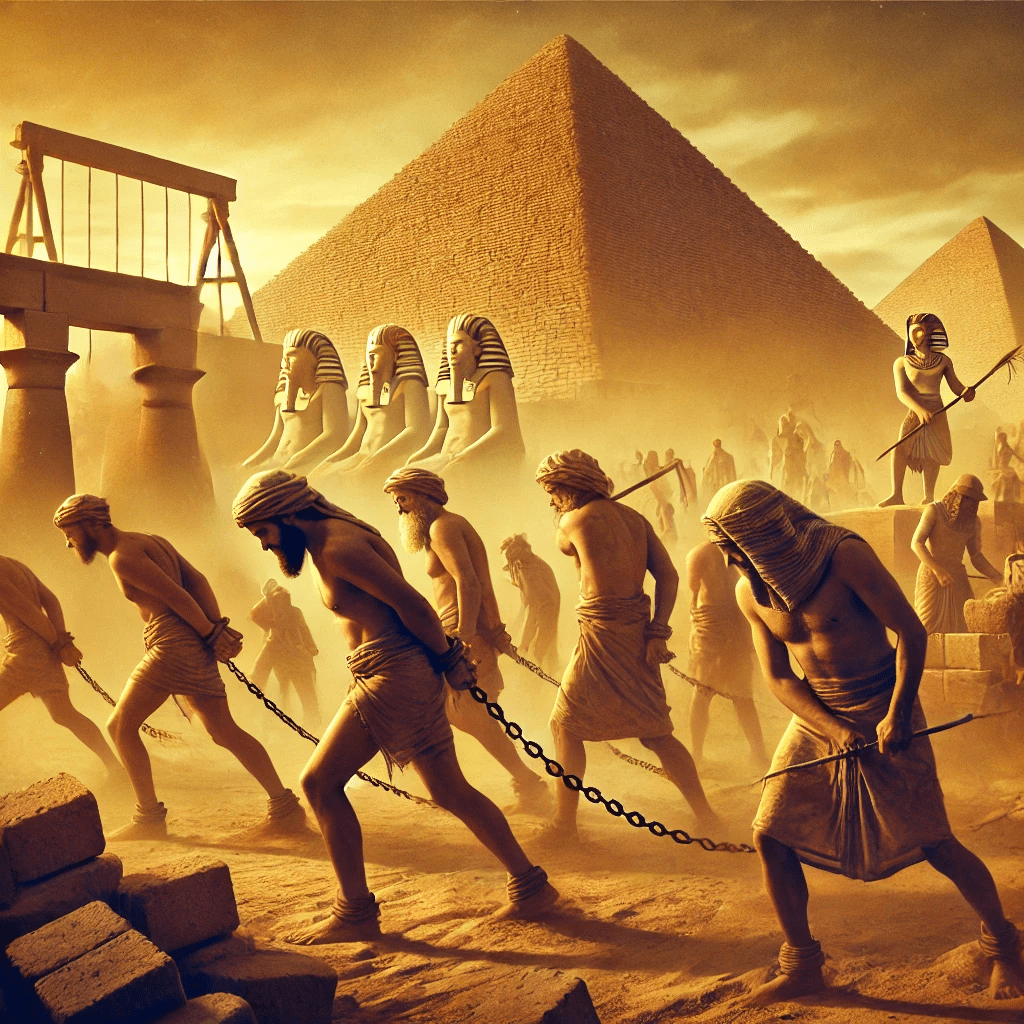


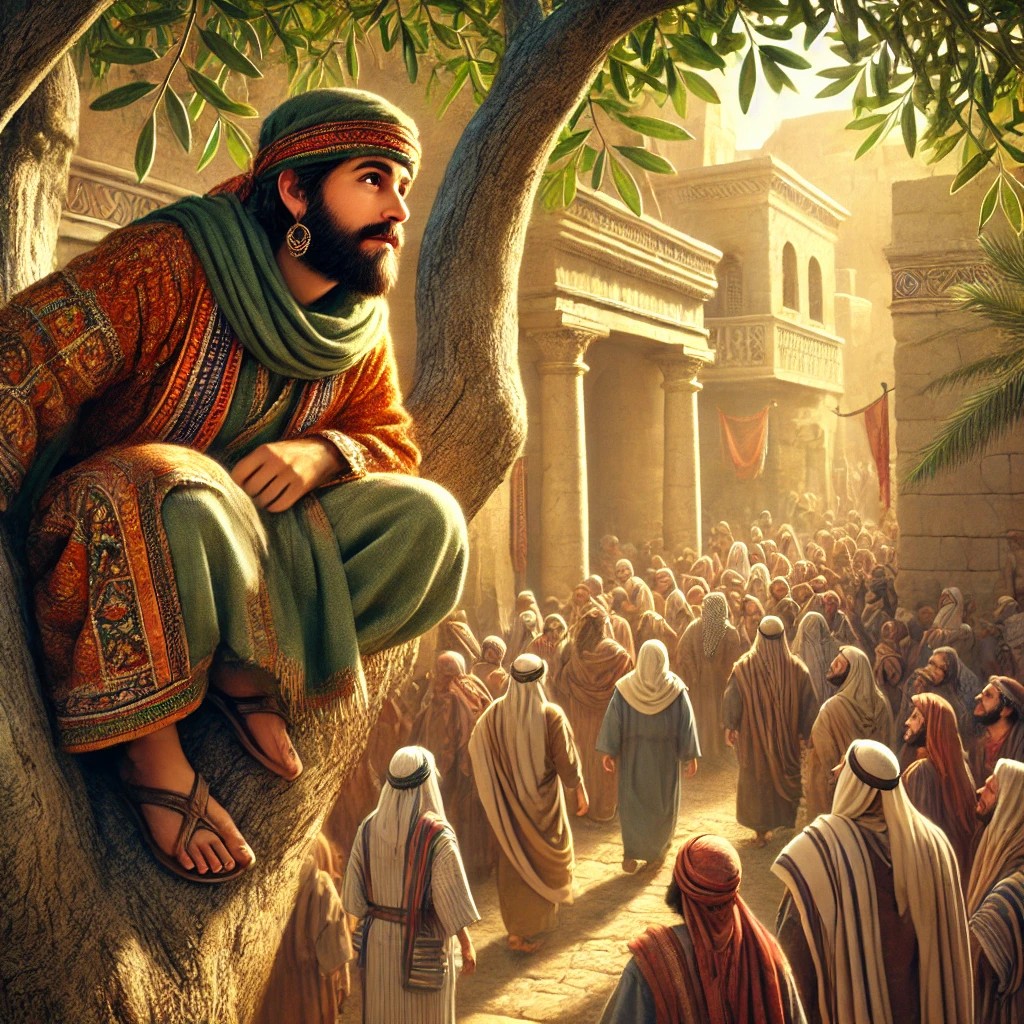

 Reformed Faith Insights