
Every year on March 17, people around the world celebrate St. Patrick’s Day by donning green clothing, drinking Irish-themed beverages, and taking part in parades. However, there is another side to this cultural and religious observance that is often overlooked. Some Protestants, particularly in Northern Ireland and other parts of the world, wear orange instead of green on St. Patrick’s Day. Why is this? The answer lies in the complex history of Ireland, the Protestant Reformation, and one of the most significant figures in British and Irish history: William of Orange.
Who Was William of Orange?
William of Orange, also known as William III of England, was a Dutch Protestant prince who became King of England, Scotland, and Ireland in 1689. Born in 1650 in The Hague, William was the grandson of England’s King Charles I and the husband of Mary, the Protestant daughter of King James II of England.
At the time, Europe was embroiled in religious conflicts between Protestants and Catholics, largely influenced by the Reformation. When James II, a Catholic, ascended to the English throne in 1685, tensions rose between Catholics and Protestants in England, Scotland, and Ireland. Many feared that James’s policies would lead to the reestablishment of Catholic dominance in Britain. This fear was especially strong among the Protestant nobility, who sought to preserve their religious and political freedoms.
In 1688, a group of English nobles invited William to invade England and take the throne from his father-in-law, James II. This event, known as the Glorious Revolution, resulted in James fleeing to France and William and Mary being crowned joint rulers. This marked the beginning of constitutional monarchy in England, limiting the power of the monarchy and reinforcing Protestant supremacy.
The Battle of the Boyne: Securing Protestant Rule
The significance of William of Orange for Protestants in Ireland is deeply rooted in the Battle of the Boyne (rhymes with “coin” or “join”), fought on July 1, 1690 (July 12 in the modern calendar). After James II fled England, he sought to reclaim his throne by rallying Catholic forces in Ireland. William, determined to secure his rule and maintain Protestant control, led his army against James’s Catholic supporters near the River Boyne in what is now Northern Ireland.
William’s victory at the Boyne solidified Protestant dominance in Ireland and Britain. It was a decisive moment that ensured Ireland would remain under Protestant rule, particularly in the northern province of Ulster. This battle is still commemorated annually on July 12 by the Orange Order, a Protestant fraternal organization founded in 1795 to uphold Protestant values and the legacy of William III.
Why Do Protestants Wear Orange on St. Patrick’s Day?
While St. Patrick’s Day is widely associated with Irish culture and the color green, it is also closely tied to Catholic tradition. St. Patrick, the patron saint of Ireland, was a Christian missionary credited with converting much of Ireland to Christianity in the 5th century. Over time, his feast day became a major cultural and religious celebration, particularly among Irish Catholics.
However, Protestants in Ireland and other parts of the world have historically distanced themselves from the Catholic aspects of the holiday. Instead of wearing green, which is associated with Irish nationalism and Catholicism, many Protestants choose to wear orange in recognition of William of Orange and his role in securing Protestant rule in Ireland.
The Symbolism of the Irish Flag
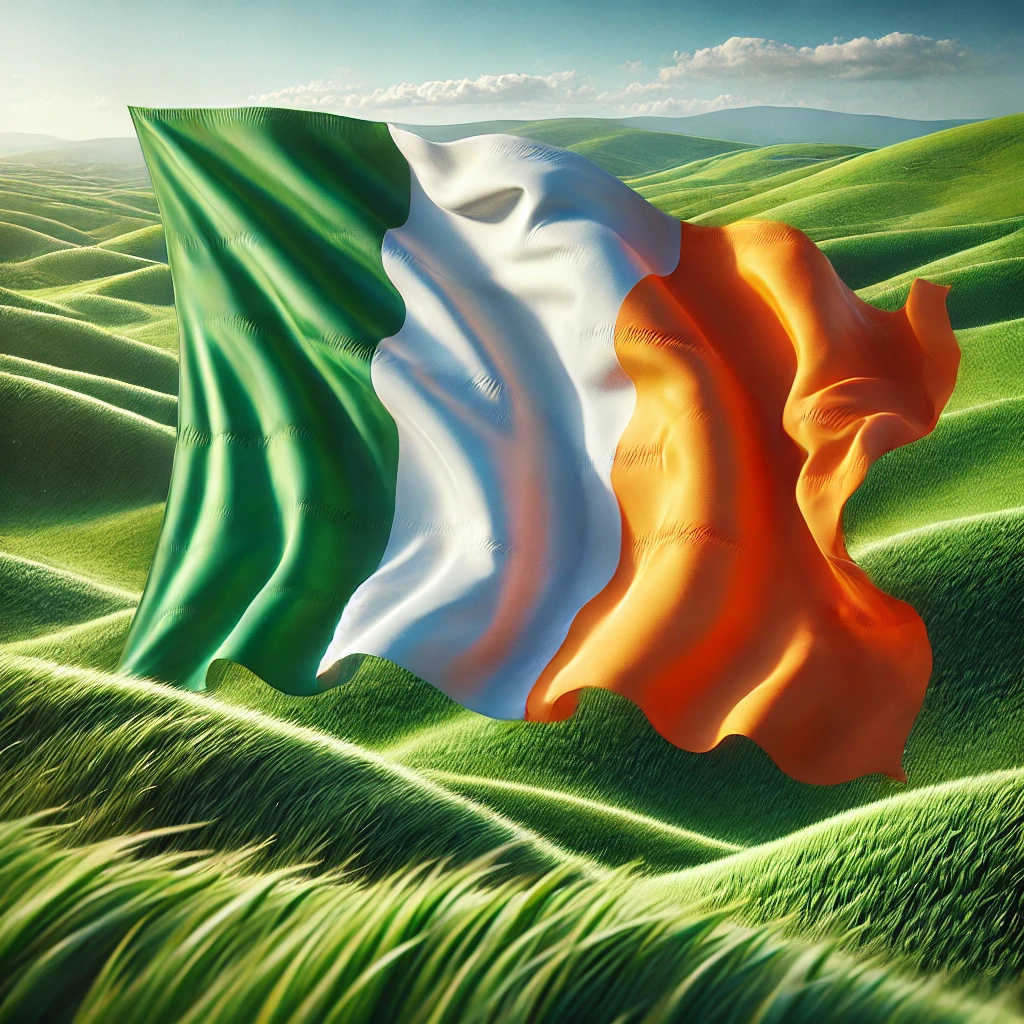
The colors of the Irish flag—green, white, and orange—represent the religious and political divisions in Ireland:
- Green symbolizes Irish Catholics and nationalists.
- Orange represents Irish Protestants and unionists, in honor of William of Orange.
- White signifies peace between the two groups.
Despite the flag’s symbolism of unity, the historical divide between Protestants and Catholics in Ireland remains a sensitive issue. This is why, for some Protestants, wearing orange on St. Patrick’s Day is not just a fashion choice but a statement of religious and historical identity.
The Role of the Orange Order
The Orange Order, a Protestant fraternal society established in 1795, has played a major role in keeping the legacy of William of Orange alive. The organization promotes Protestant traditions and commemorates the Battle of the Boyne every year on July 12 with parades and celebrations, particularly in Northern Ireland.
Because of the Orange Order’s strong Protestant and unionist associations, the color orange has remained a symbol of Protestant identity, especially among those who support Northern Ireland’s continued union with Britain. This is why some Protestants choose to wear orange on St. Patrick’s Day—to affirm their historical and religious ties to William of Orange and the Protestant cause.
The Ongoing Religious and Political Divide
Though St. Patrick’s Day is now widely seen as a secular holiday celebrated across different cultures and backgrounds, the historical tensions between Protestants and Catholics in Ireland have not entirely faded. In Northern Ireland, sectarian divisions still exist, and symbols such as green and orange carry deep political and religious meaning.
In some cases, wearing orange on St. Patrick’s Day can be seen as provocative, particularly in Catholic-majority areas. However, for many Protestants, it is simply a way of honoring their heritage and maintaining their distinct identity within Irish and British history.
Should Protestants Celebrate St. Patrick’s Day?
While many Protestants do not traditionally celebrate St. Patrick’s Day in the same way that Catholics do, there is no religious or historical reason why they cannot. In fact, St. Patrick himself was not Catholic or Protestant in the modern sense—he was simply a Christian missionary. Some Protestants today choose to celebrate the day as a recognition of Patrick’s role in bringing Christianity to Ireland, rather than as a Catholic feast day.
Ultimately, the decision to wear orange, green, or any other color on St. Patrick’s Day is a personal choice. For Protestants who wear orange, it is not necessarily an act of defiance but a way of acknowledging their historical roots and religious convictions.
Conclusion
The tradition of Protestants wearing orange on St. Patrick’s Day traces back to the legacy of William of Orange and the battle for Protestant control in Ireland. His victory at the Battle of the Boyne in 1690 secured Protestant dominance in the region, leading to centuries of religious and political division.
Though St. Patrick’s Day is now largely a cultural celebration, the color green remains closely associated with Irish Catholic identity, while orange serves as a symbol of Protestant heritage. Understanding this history provides a deeper appreciation for the complexities of Irish identity and the significance of symbols in cultural and religious traditions.
Whether you choose to wear green, orange, or something else entirely, St. Patrick’s Day is a reminder of the rich and sometimes turbulent history of Ireland and its people.
 Reformed Faith Insights