
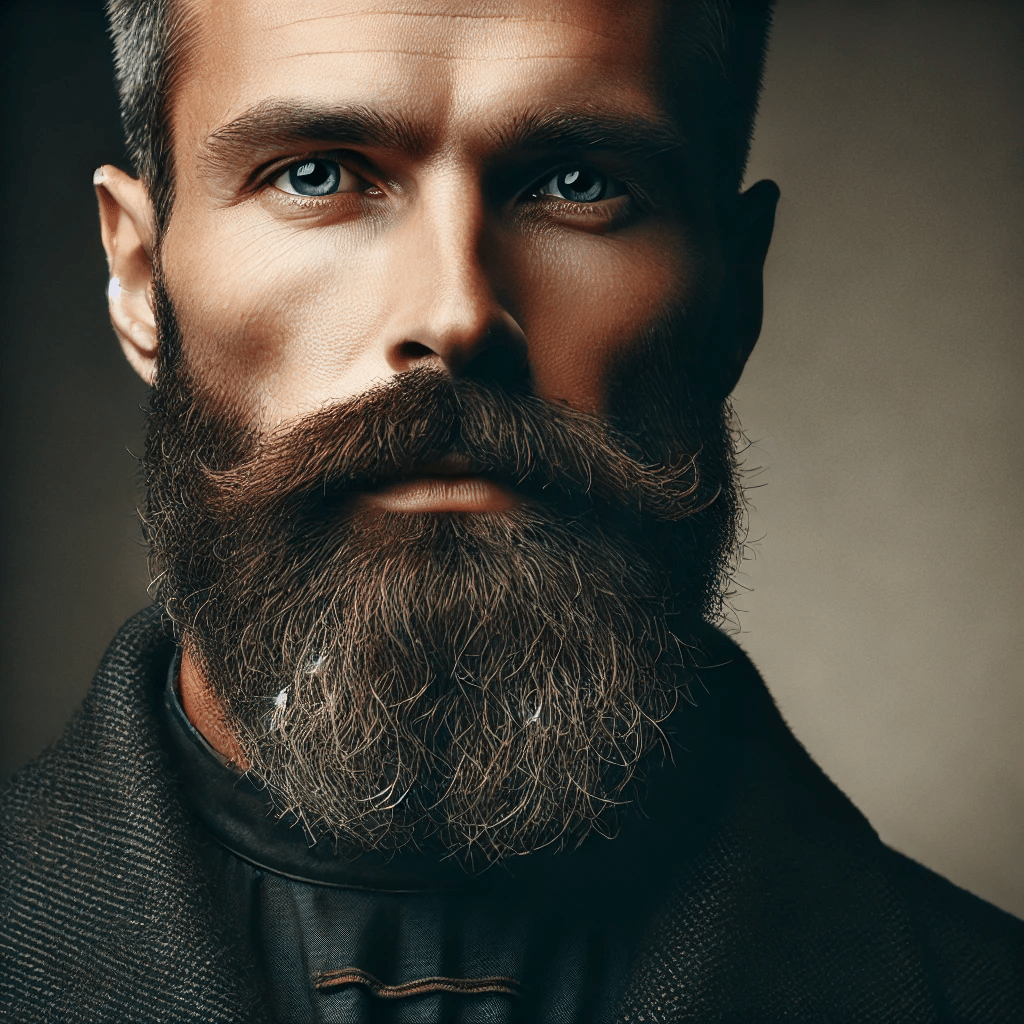
Throughout history, the outward expressions of faith have often served as visible markers of deeper theological and cultural convictions. One such tradition, often overlooked, is the growing of beards among Reformed churchmen, a practice deeply rooted in the legacy of the Protestant Reformers—Martin Luther, John Calvin, and John Knox. These men, pillars of the Reformation, chose to grow out their beards as an act of protest against the Roman Catholic Church’s insistence that monks remain clean-shaven.
However, this was more than mere defiance—it was a declaration of biblical manhood and a theological statement that stood against the constraints of enforced celibacy. By allowing their beards to grow, these Reformers expressed a clear affirmation of marriage, family, and the priesthood of all believers. Today, in an era saturated with promiscuity, libertinism, and a distortion of biblical masculinity, the resurgence of bearded Reformed men could once again serve as a sign of commitment—not only to historic Protestant faith but also to the God-ordained institutions of marriage and fatherhood.
The Beard as a Sign of Reformation Heritage
To understand the significance of beards in the Reformed tradition, one must look at the historical context in which the Reformers lived. In the Roman Catholic Church of the Middle Ages, monks were required to shave their faces as a sign of their celibacy and devotion to their order. The act of shaving symbolized their separation from the world and their renunciation of marriage. The Reformers, in their opposition to monasticism and the unbiblical enforcement of clerical celibacy, deliberately embraced their beards as a means of differentiation.
John Knox, the fiery Scottish Reformer, wore his beard long as a sign of his identity as a preacher of God’s Word and a married man. John Calvin, known for his meticulous theological writings, also bore a beard as a reflection of his adherence to biblical norms rather than Catholic traditions. Even Martin Luther, who was once an Augustinian monk, let his beard grow as a declaration of his newfound biblical conviction that clergy should marry, as Paul instructed in 1 Timothy 3:2: “An overseer must be the husband of one wife.”
In this way, the beard became more than just a stylistic choice; it was a visual affirmation of biblical fidelity and a rejection of man-made restrictions on God’s design for marriage and family.
A Symbol for the Modern Churchman
In today’s society, Christian men who seek marriage and fatherhood often find themselves swimming against a cultural tide that promotes casual relationships, extended adolescence, and an aversion to responsibility. The biblical model of manhood—one of leadership, provision, and commitment to family—is increasingly seen as archaic, if not outright oppressive.
Growing a beard, while certainly not a requirement for godliness, can serve as a small but significant marker of one’s alignment with historic Christian convictions. In the same way that the Reformers used their beards to signify their rejection of clerical celibacy and their embrace of marriage, modern Reformed men can use their beards as a testimony to their commitment to biblical masculinity, marriage, and the raising of godly offspring.
The Biblical View of Beards and Manhood
Scripture itself speaks positively of beards as a symbol of dignity and wisdom. In Leviticus 19:27, God commanded the Israelites not to cut the edges of their beards, distinguishing them from the surrounding pagan nations. In 2 Samuel 10:4-5, the humiliation of David’s servants was marked by the shaving of their beards, signifying a loss of honor.
While the New Testament does not command the growing of beards, it is evident that in the cultural and biblical mindset, a man’s beard often signified maturity, wisdom, and respectability. In light of this, the act of growing a beard today can be a reflection of a desire to embrace biblical patterns of manhood in a world that often seeks to blur the distinctions between the sexes.
Reclaiming the Beard as a Counter-Cultural Statement
The world today is marked by a radical departure from biblical principles. The sexual revolution has devalued marriage, encouraged promiscuity, and led many young men to abandon their God-given responsibilities. The Apostle Paul warns against such times in 2 Timothy 3:1-5, describing a generation that would be “lovers of self, lovers of money, proud, arrogant, disobedient to their parents, ungrateful, unholy, heartless…”
Christian men must respond by embracing biblical counter-cultural symbols—signs that mark them as distinct from the world’s wayward trends. Just as the Reformers grew out their beards as a sign of defiance against enforced celibacy and as an affirmation of marriage, modern Reformed men can reclaim this tradition as a declaration of their desire to marry, raise children, and lead their households in godliness.
This is not to say that every Christian man must grow a beard to prove his faithfulness. But in a time when masculinity itself is under attack, tangible symbols can serve as important reminders—both to ourselves and to those around us—of our commitment to biblical principles. A full, well-groomed beard can stand as an emblem of a man’s devotion to his faith, his family, and his role as a leader within the home and the church.
Conclusion: More Than Facial Hair
While the beard itself holds no salvific power, its historical and theological significance should not be overlooked. In the time of the Reformers, it was a mark of defiance against an unbiblical suppression of marriage. Today, it can serve as a mark of defiance against a culture that devalues marriage, promotes immorality, and seeks to efface biblical masculinity.
Growing a beard as a Christian man is not about legalism or empty symbolism—it is about identifying with a heritage of biblical conviction and a vision of godly manhood. It is a small but meaningful way to declare, “I stand with the Reformers. I stand with the biblical vision of marriage and family. I stand for Christ.”
So, to the modern Reformed man considering whether to grow out his beard, let it be a reminder of your theological heritage, your commitment to biblical manhood, and your desire to honor God in all aspects of life—including how you present yourself to the world.
 Reformed Faith Insights